
Who Marks Your Dissertation? Second Marking, Moderation and the External Examiner (2026)
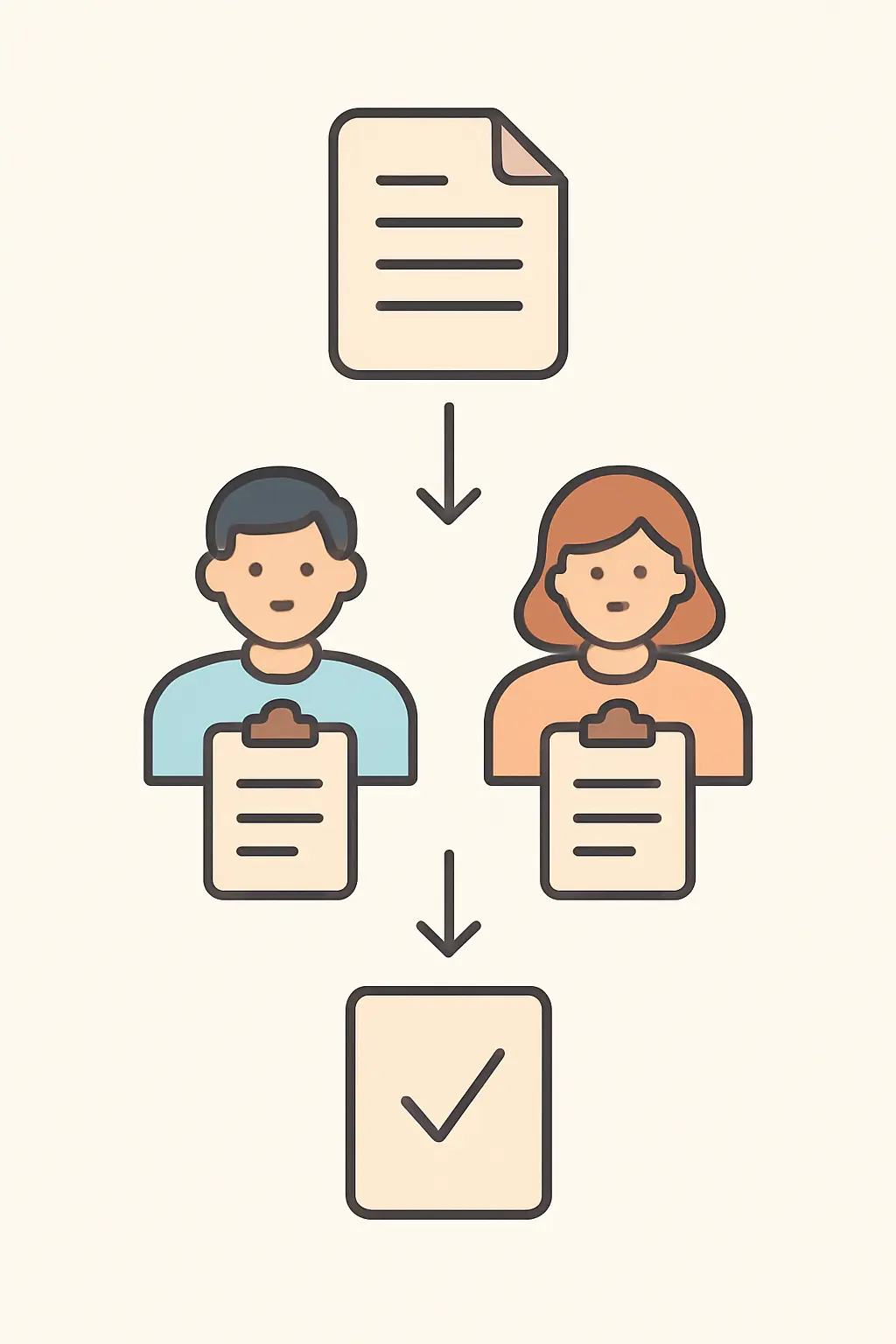
In most UK universities your dissertation is read by an academic in your department — often but not always your supervisor — and then checked by a second person, either through double marking or through moderation of a sample. An external examiner from another institution reviews standards across the cohort, and a board of examiners ratifies the result. Your mark is provisional until that board confirms it.
That is the general pattern. The details are set by your own institution’s assessment regulations, and the sections below tell you which ones to look up.
Who actually reads your dissertation first?
Usually a member of academic staff in your department, very often your supervisor, because they know the project and its context. Some departments deliberately assign a first marker who was not the supervisor, precisely to keep the judgement independent of the supervision relationship.
Your programme handbook will say which model applies to you. It is worth checking early, because it changes how you should read your supervisor’s feedback during the year — a supervisor who will also be your marker is telling you something rather more direct than one who will not.
Is your dissertation marked twice?
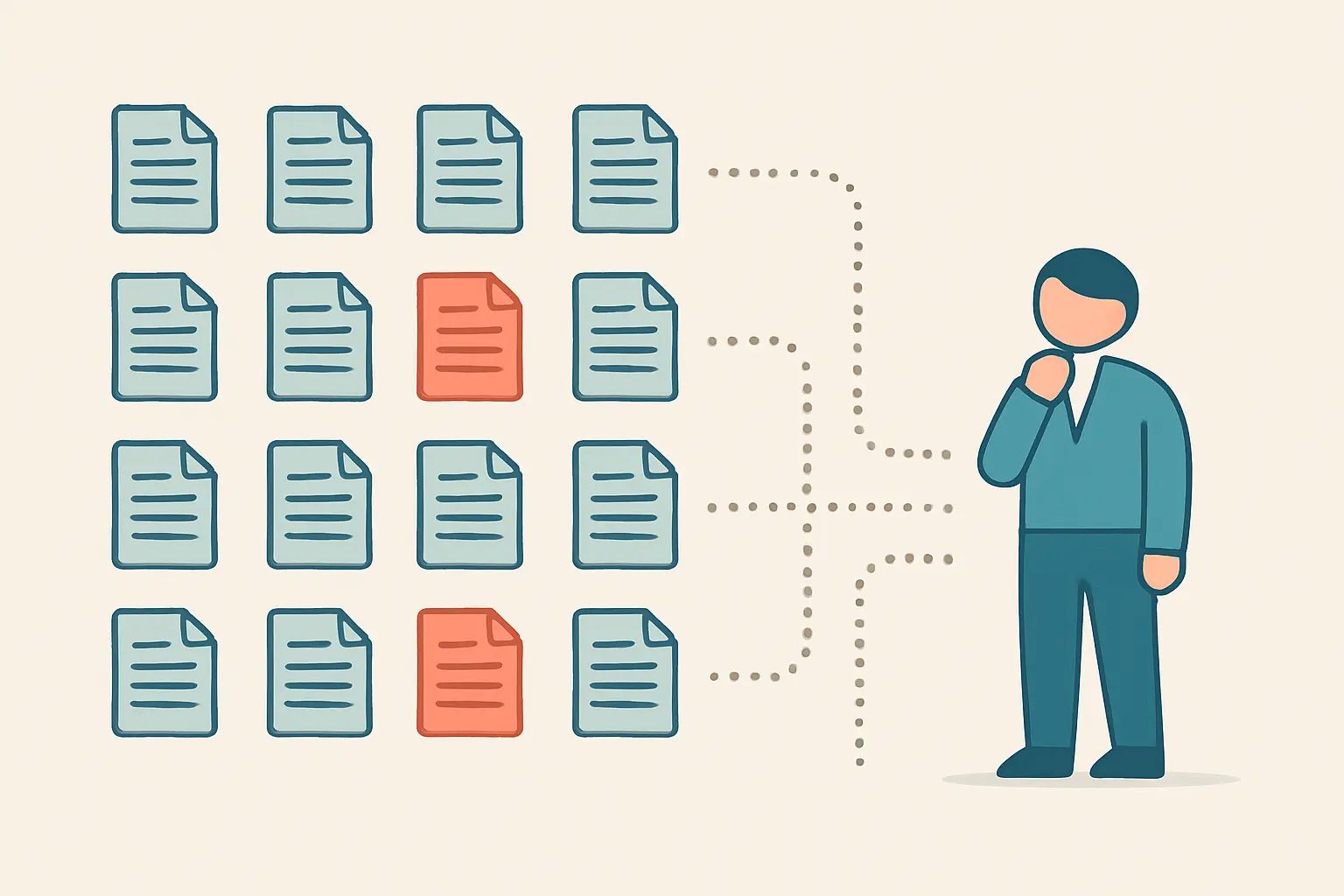
Frequently, yes — dissertations carry a lot of credit, so they attract more scrutiny than an ordinary essay. But “marked twice” covers two different processes, and they are not the same thing.
Double marking means two markers each form a judgement on your individual piece of work. Moderation means a second person reviews a sample across the cohort to check the first marker applied the criteria consistently. Under moderation, most students’ work is not read twice at all — and if yours is not in the sample, that is normal rather than neglectful.
What is the difference between blind and open double marking?
In blind double marking the second marker does not see the first marker’s mark or comments before forming their own view. In open or seen double marking they do.
Blind marking is generally regarded as the more robust of the two because it prevents anchoring, but it is also more expensive in staff time, so many departments reserve it for higher-credit work such as dissertations. Your regulations will name which one your programme uses.
What happens if the two markers disagree?
Disagreement is expected and the process is designed for it. Institutions set a tolerance — commonly a few marks — within which the two markers simply agree a figure between them.
Beyond that tolerance, or where the marks straddle a classification boundary, the usual route is a documented discussion to reach an agreed mark, and failing that a third marker or an arbiter. What almost never happens is a straight average, because two markers averaging 68 and 52 produces a number neither of them believed.
You should also know that the agreed mark can be higher or lower than either original. The process is not a negotiation in your favour; it is an attempt to arrive at the right mark.
What does the external examiner actually do?
An external examiner is a senior academic from a different institution appointed to comment on whether your programme’s standards are appropriate and comparable to the sector. They review a sample of work — typically spanning the top, the bottom, the borderlines and any failures — along with the assessment criteria and the marks awarded.
Their remit is the integrity of the process and the standard of the cohort. In most UK institutions an external examiner is not there to re-mark individual students and conventionally cannot change one student’s mark on its own; where they identify a systematic problem, the remedy applies to the whole cohort. Because this is one of the details that genuinely varies, check the wording in your own assessment regulations rather than assuming.
How is the mark actually built up?
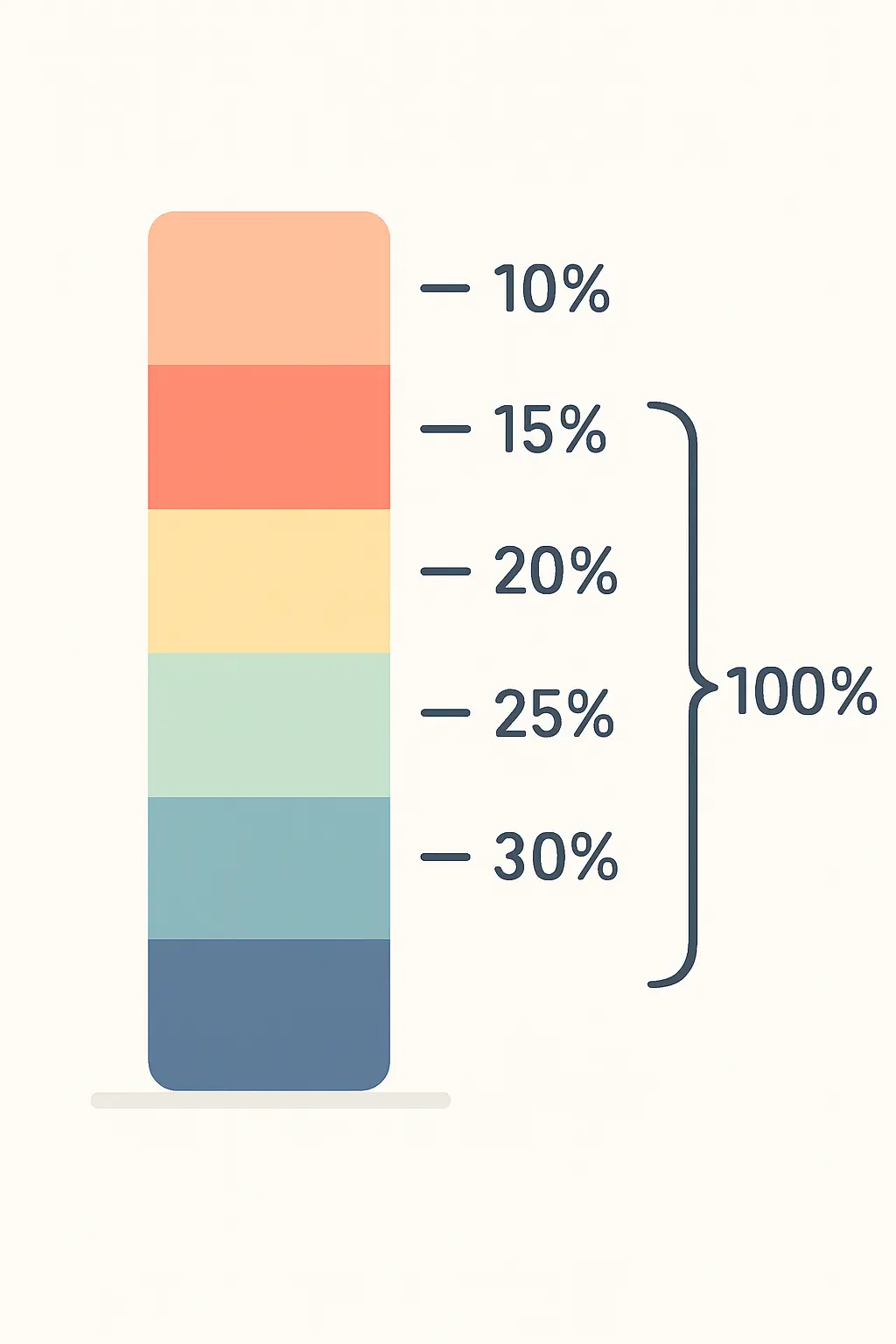
Most dissertation rubrics break the work into criteria and weight them. The recurring categories are the research question and rationale, the literature review, the methodology and its justification, the analysis and findings, the discussion and conclusion, and presentation including referencing.
The weightings differ substantially between disciplines and institutions, and they are published in your handbook. This is the single most useful document you can read before your final push, because it tells you which chapter earns the most and therefore where an extra week is best spent. A dissertation that is strong on analysis and thin on methodology loses marks in a predictable, avoidable place.
Markers are also working to grade descriptors — the paragraph for each band describing what a first, a 2:1 and so on look like. Reading the descriptor for the band above your target is a more precise instruction than any general advice about “critical analysis”. Our annotated dissertation examples and the analysis of what top-scoring theses have in common show what those descriptors mean in practice.
Is dissertation marking anonymous?
Often less so than other assessments. Universities widely use anonymous marking for exams and coursework, but a dissertation is difficult to anonymise in practice because the supervisor has read drafts and knows the project.
Many institutions therefore treat the dissertation as an explicit exception to anonymous marking, and rely on double marking, moderation and external scrutiny as the safeguards instead. Your regulations will state the position.
When does the mark become final?
Not when you see it. Marks released before the board of examiners meets are provisional, which is why they are usually labelled as such.
The board confirms marks, applies the regulations, considers any mitigating circumstances that were submitted, and determines progression and classification. Only after ratification is the mark final. If you submitted a claim for mitigating circumstances, the board is the point at which it is taken into account — see what happens if you miss your thesis deadline.
Can you challenge a dissertation mark?
Not on the grounds most students want to use. Across UK higher education, academic appeals are generally admissible on procedural grounds — a regulation was not followed, or mitigating circumstances were not considered — and not on the grounds that you disagree with the academic judgement of the markers.
That restriction exists precisely because the marking machinery described above is the mechanism for testing academic judgement: two markers, moderation, an external examiner and a board. The appeals process reviews whether that machinery was operated correctly, not whether it reached the conclusion you wanted. Your institution publishes its own grounds and deadlines, and the deadlines are short.
Before assuming a mark is out of line, it is also worth checking one common misconception: UK degrees are marked against published criteria, not on a curve, so your mark does not depend on how your classmates performed. The distinction is set out in our guide to criterion-referenced versus norm-referenced assessment.
Frequently asked questions
Does my supervisor decide my mark?
Not alone. Even where the supervisor is the first marker, the mark passes through second marking or moderation, external examiner scrutiny of the sample, and ratification by the exam board. No single person’s judgement stands unchecked.
Will the second marker read the whole dissertation?
Under double marking, yes in substance, though markers read purposefully rather than uniformly — the methodology and analysis chapters get the closest attention. Our guide to what examiners actually read covers the pattern in detail.
Why did I get less feedback than my friend on another course?
Feedback volume is set by departmental policy and by whether the work went through double marking. It is not a proxy for how carefully the work was read, and it is unrelated to the mark itself.
Can the external examiner raise my individual mark?
Conventionally no. Their role is the standard of the cohort and the soundness of the process; where they find a problem, the remedy is applied across the group rather than to one student. Confirm the precise remit in your own regulations, since this is one of the details that varies.
Does poor writing or referencing lose marks even if the research is good?
Yes — presentation and referencing are usually explicit weighted criteria, so weaknesses there cost marks directly rather than merely creating a bad impression. See whether examiners can fail a thesis for grammar for where the threshold actually sits.
How long does dissertation marking take?
Most institutions publish a turnaround target, commonly around twenty working days for the mark to reach you, but the dissertation is often longer because of double marking and the exam board timetable. The board date, not the marking, is usually what governs when you find out.
What is internal moderation, exactly?
A check on consistency. A moderator reviews a sample of marked work across the cohort to confirm the criteria were applied the same way by every marker. If they find drift, the correction applies to the affected group rather than to one script.
Should I ask my marker to explain the mark?
Asking for clarification of the feedback is reasonable and usually welcomed. Asking for the mark to be reconsidered is not the right route, and staff cannot act on it — that is what the appeals procedure exists for, on its narrow grounds.
What to do with this
Two practical actions follow. Find your marking rubric and its weightings now rather than after submission, and read the grade descriptor for the band above your target — those two documents tell you more about earning marks than any amount of general advice. And if a mark genuinely looks wrong, act on procedure and deadlines rather than on disagreement with the judgement.
If you are still writing, the complete dissertation guide maps the chapters against what markers look for, and Tesify can help you get a draft into the shape the criteria describe while there is still time for it to matter.
Write your thesis with AI
Structure, draft, cite, and format your thesis faster with Tesify’s AI writing tools, automatic bibliography, and plagiarism checker. Free to start, no credit card required.





Leave a Reply