
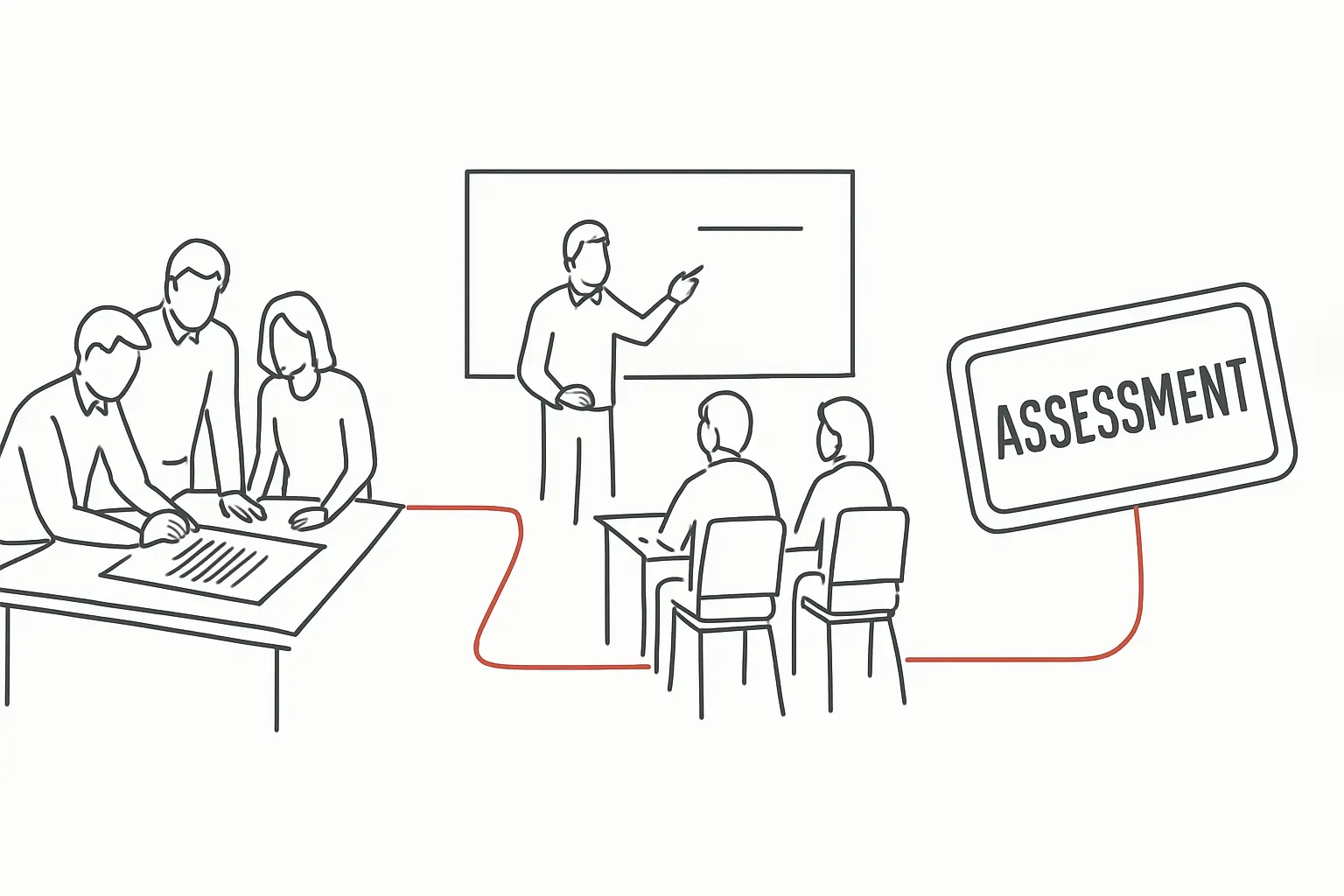
An occupational standard describes what someone must know and be able to do to be competent in a particular job. It is written by employers rather than by educators, and it has quietly become the reference point against which a large part of English technical education is now designed and assessed.
That inversion is the substantive change. In the older model, a curriculum was designed and an assessment followed from it. In the standards model, the description of competent practice comes first, and the qualification is built backwards from it.
Who writes them, and who approves them
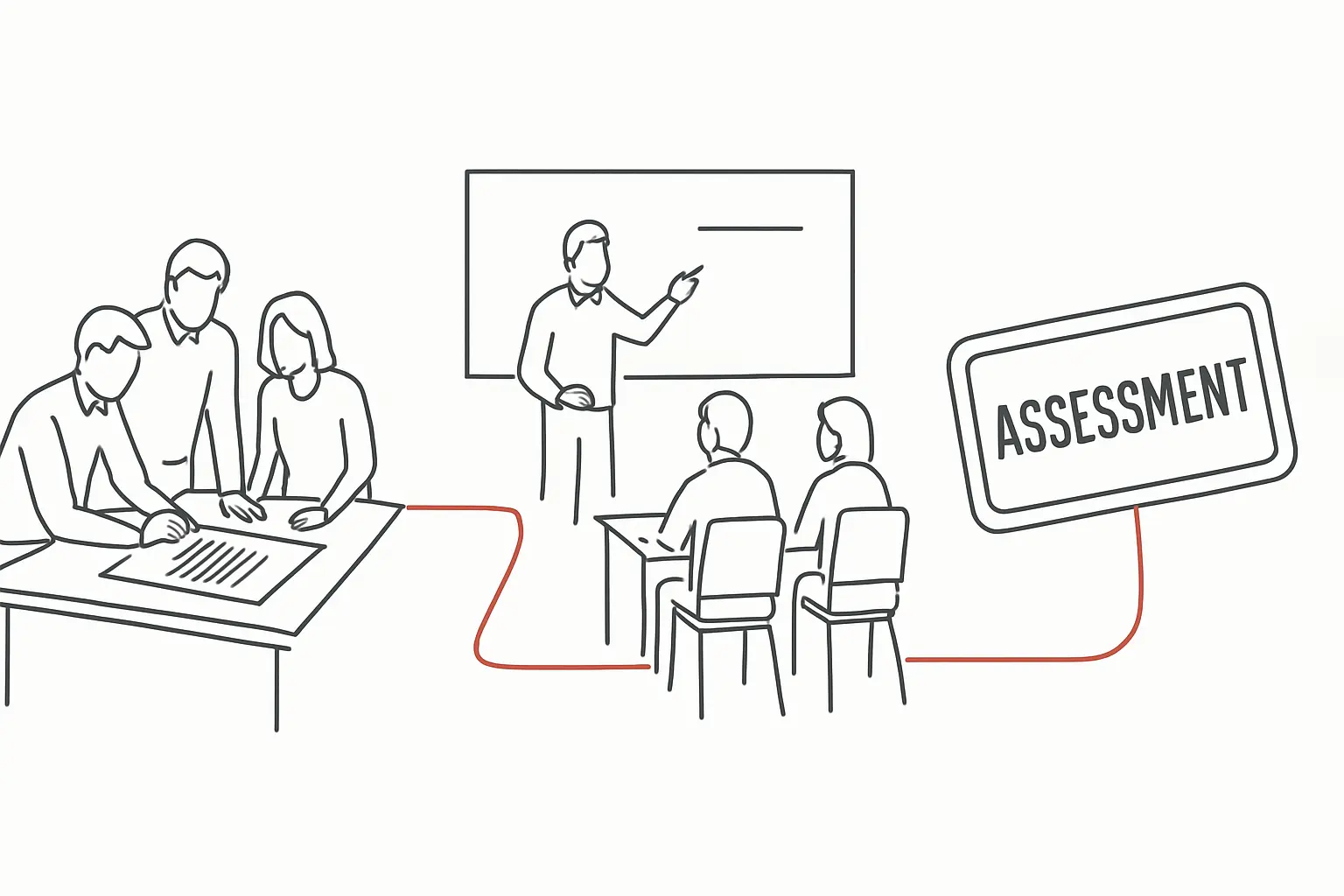
Standards are designed by employers. In England they are approved by Skills England, which also publishes the occupational maps, maintains searchable listings of apprenticeship standards and approved technical qualifications, and operates a UK Standard Skills Classification.
The reach is wider than apprenticeships. GOV.UK states that T Levels are based on the same standards as apprenticeships, designed by employers and approved by Skills England — so a single description of an occupation now underpins both the apprenticeship and the classroom-based technical route into it.
One naming point, because most published material has not caught up: this approval function previously sat with the Institute for Apprenticeships and Technical Education. If a source names IfATE as the current approver, it is out of date.
What a standard actually contains
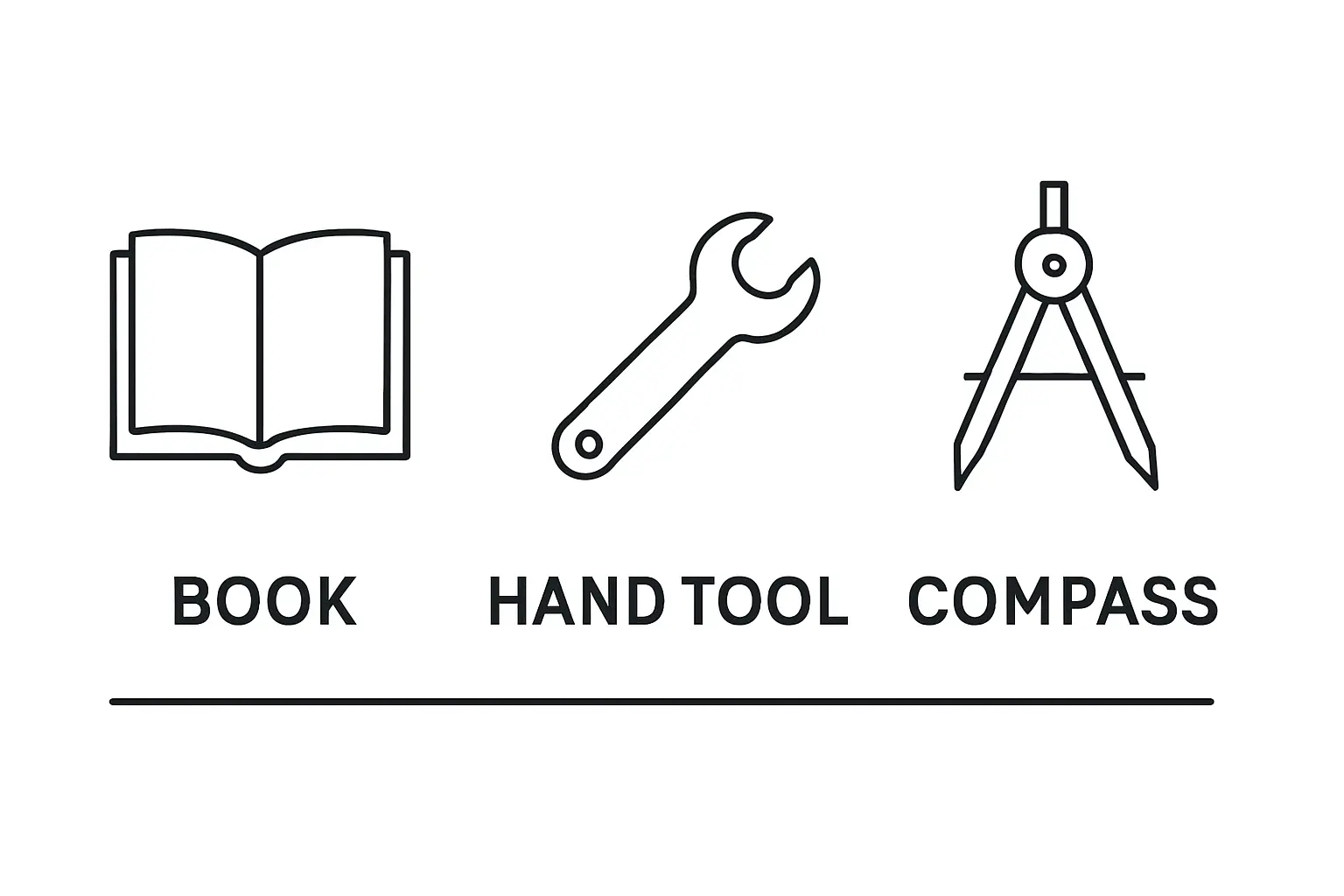
Standards are typically expressed as knowledge, skills and behaviours — KSBs. The three-part structure is doing real work:
| Component | What it captures | How it tends to be evidenced |
|---|---|---|
| Knowledge | What you need to understand | Taught content, tested through questioning or written assessment |
| Skills | What you must be able to do | Observed performance and work products |
| Behaviours | How you must conduct yourself | Observation over time, professional discussion, workplace testimony |
The inclusion of behaviours is the genuinely novel part, and the most contested. Reliability, taking responsibility, working with others: these are things employers consistently say they hire and fire on, and things that traditional academic assessment barely touches. Making them formally assessable is a substantial claim about what a qualification is for.
It also raises a real methodological problem. Knowledge can be tested at a point in time and skills can be observed on a task, but a behaviour is a disposition — a pattern across situations. Assessing it reliably requires observation over time by someone who knows the candidate, which is precisely why standards-based qualifications lean so heavily on workplace assessors rather than on examiners.
What changes when the standard comes first
| Curriculum-led model | Standards-led model | |
|---|---|---|
| Starting point | A body of knowledge | A description of competent practice |
| Written by | Educators and subject bodies | Employers |
| Success looks like | Understanding the subject | Being able to do the job |
| Assessment asks | What have you learned? | Can you perform to the standard? |
| Typical outcome | A grade | Competent or not yet competent, or a graded judgement against criteria |
This is why competence-based qualifications behave so differently from academic ones. The competent-or-not-yet-competent logic described in our guide to what an NVQ is is not an eccentricity of that qualification — it follows directly from assessing against a description of practice rather than against a body of knowledge. Both sit inside the criterion-referenced model covered in criterion-referenced versus norm-referenced assessment.
Occupational maps: the part students never look at
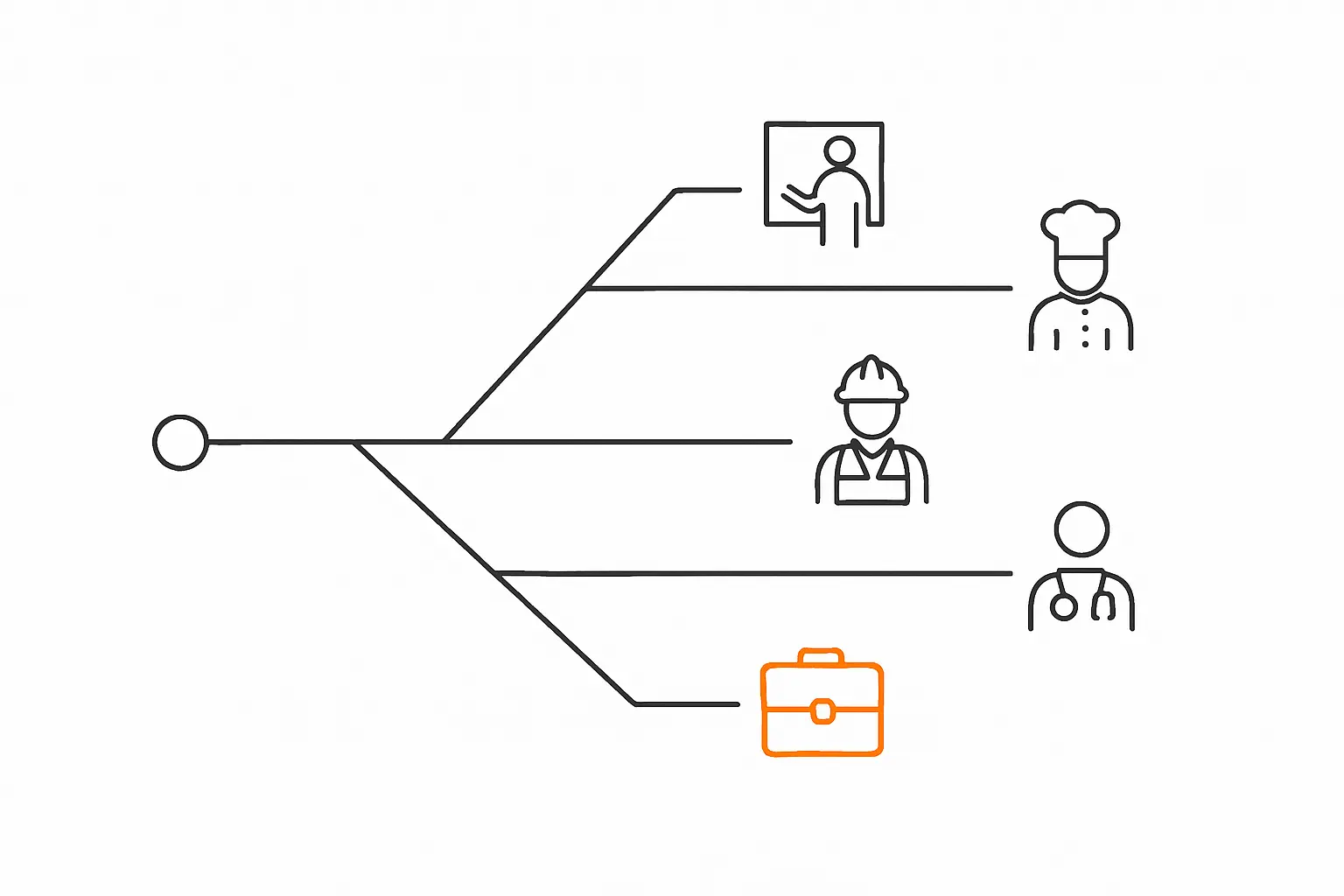
Skills England publishes occupational maps showing where technical education can lead. They are among the most useful and least used careers resources available, because they answer the question prospectuses avoid: what does this actually connect to?
If you are choosing between technical routes, reading the map for your occupation before reading any provider’s marketing is worth an hour. It shows the adjacent occupations, the progression steps, and — by omission — the places a given route does not readily reach.
The critique worth taking seriously
A page like this would be incomplete without the objection, which is substantive rather than reactionary.
Employer-designed standards describe the job as it is currently done. That is exactly what makes them useful for employability, and exactly what makes them conservative: a standard written from current practice encodes current practice, including its limitations, and can lag a fast-moving field. Academic curricula are slower to respond to employers and better at teaching the underlying principles that survive when the practice changes.
There is also a specificity problem. A standard tuned tightly to one occupation produces transferable learning less reliably than a broader programme, which matters over a working life in which people change occupation several times.
The reasonable conclusion is not that one model is better, but that they answer different questions — and that knowing which model your qualification is built on tells you what it will and will not equip you with. Our guide to RQF and FHEQ levels covers where each sits in the wider framework, and who regulates and awards UK qualifications covers who is responsible for what.
How to use a standard if you are studying against one
- Read the actual standard, not the course summary. It is published and searchable, and the precise wording is what your evidence has to satisfy.
- Separate the three components. Knowledge gaps are closed by study; skills gaps by practice; behaviour gaps by sustained conduct, which takes longest and cannot be crammed.
- Check your role covers the standard. If your job does not give you access to part of it, that is a conversation with your employer at the start, not in the final months.
- Treat behaviours as assessed. They are not a preamble. Candidates who read them as soft framing are the ones surprised at assessment.
Frequently asked questions
What is an occupational standard?
A description, written by employers, of what someone must know and be able to do to be competent in a specific job role. It is the reference point against which apprenticeships and technical qualifications are designed and assessed.
What does KSB stand for?
Knowledge, skills and behaviours — the three components most occupational standards are expressed in.
Who approves occupational standards in England?
Skills England, which also publishes the occupational maps and maintains listings of apprenticeship standards and approved technical qualifications. This function previously sat with the Institute for Apprenticeships and Technical Education.
Do occupational standards only apply to apprenticeships?
No. GOV.UK states that T Levels are based on the same standards as apprenticeships, so the same employer-written descriptions underpin both the workplace and the classroom-based technical routes.
How are behaviours assessed?
Generally through observation over time, professional discussion and workplace testimony, rather than at a single point. A behaviour is a pattern across situations, which is why standards-based assessment relies on workplace assessors.
Are employer-designed standards better than academic curricula?
They answer a different question. Standards are strong on current job readiness and weaker on transferable principles; academic curricula are the reverse. The useful thing is knowing which model your qualification is built on.
Where can I read the standard for my course?
Skills England publishes searchable listings of apprenticeship standards and approved technical qualifications, alongside the occupational maps showing where each route leads.
If you are evidencing yourself against a published standard, the writing has to map onto its exact wording rather than paraphrase it. Tesify can build an outline against the KSBs you are evidencing and keep references consistent — a starting draft to rewrite in your own words, because the evidence has to describe work you genuinely did.
Write your thesis with AI
Structure, draft, cite, and format your thesis faster with Tesify’s AI writing tools, automatic bibliography, and plagiarism checker. Free to start, no credit card required.



Leave a Reply