
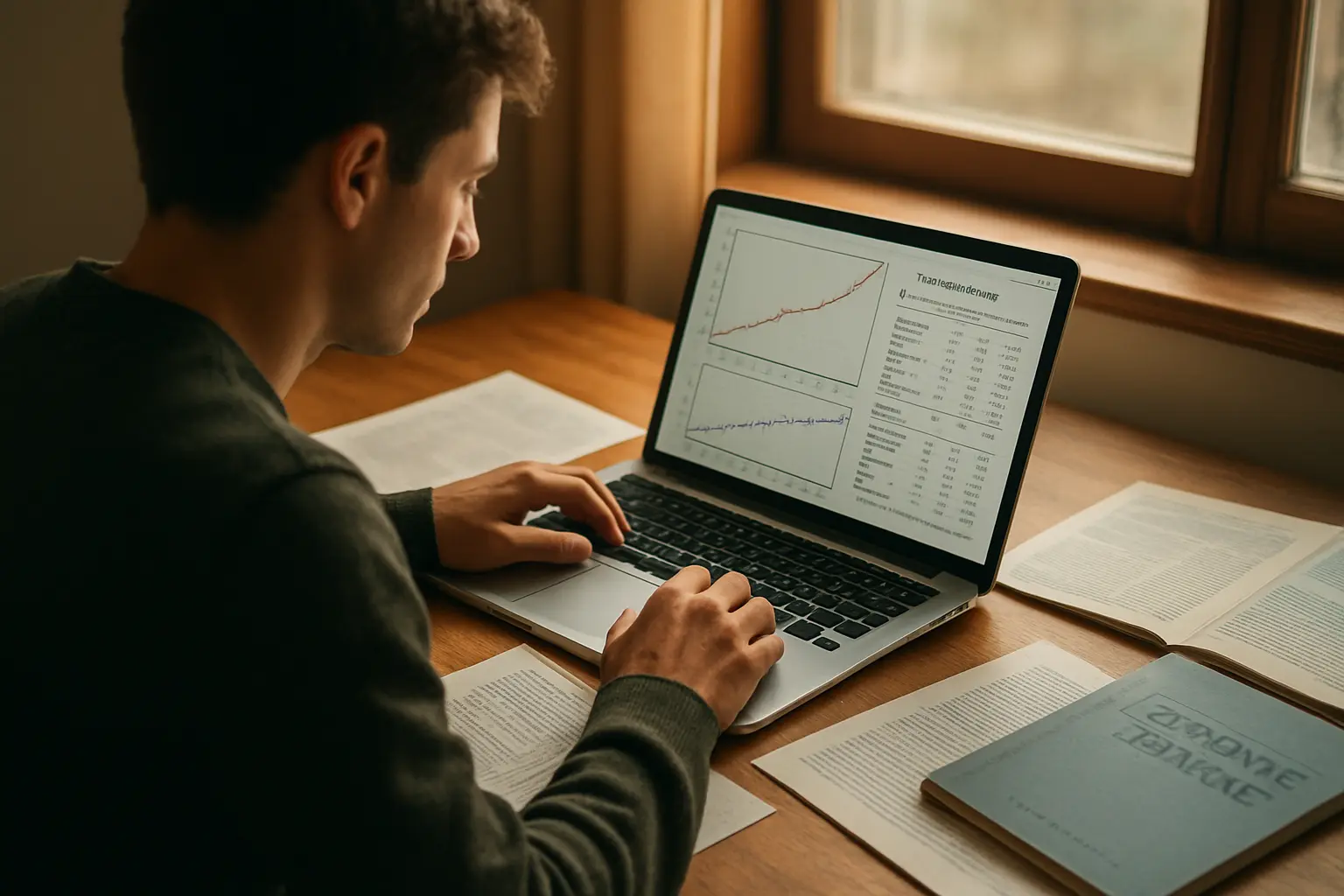
How to Write an Economics Dissertation with AI (2026)
Knowing how to write an economics dissertation with AI means knowing exactly which parts of an empirical thesis AI can genuinely accelerate — and which parts, like choosing your identification strategy, have to stay entirely in your hands. Economics dissertations sit closer to a technical research paper than most humanities theses: you are expected to justify a model, source and clean real data from places like FRED, the World Bank, or the IMF, run and interpret regressions, and defend every methodological choice against an examiner who will ask “why this specification and not another?”
That technical core is exactly where generic AI chatbots fall short and where a purpose-built writing tool earns its place. This guide walks through where AI compresses the timeline on an economics dissertation without weakening the argument an economics examiner is trained to interrogate.
Why an economics dissertation is a different AI problem
Most economics dissertations are empirical: you build on an established theoretical model, source real-world data, and run a specific econometric test — OLS, fixed effects, difference-in-differences, instrumental variables, or a panel data approach — to answer a well-defined question. That structure makes economics dissertations less forgiving of AI hallucination than a purely qualitative thesis, because a fabricated data point or an invented regression coefficient is easy for a supervisor with domain knowledge to catch, and devastating to your credibility if it slips through. AI is genuinely useful here, but only when it is scoped to language and organisation tasks rather than the empirical work itself.
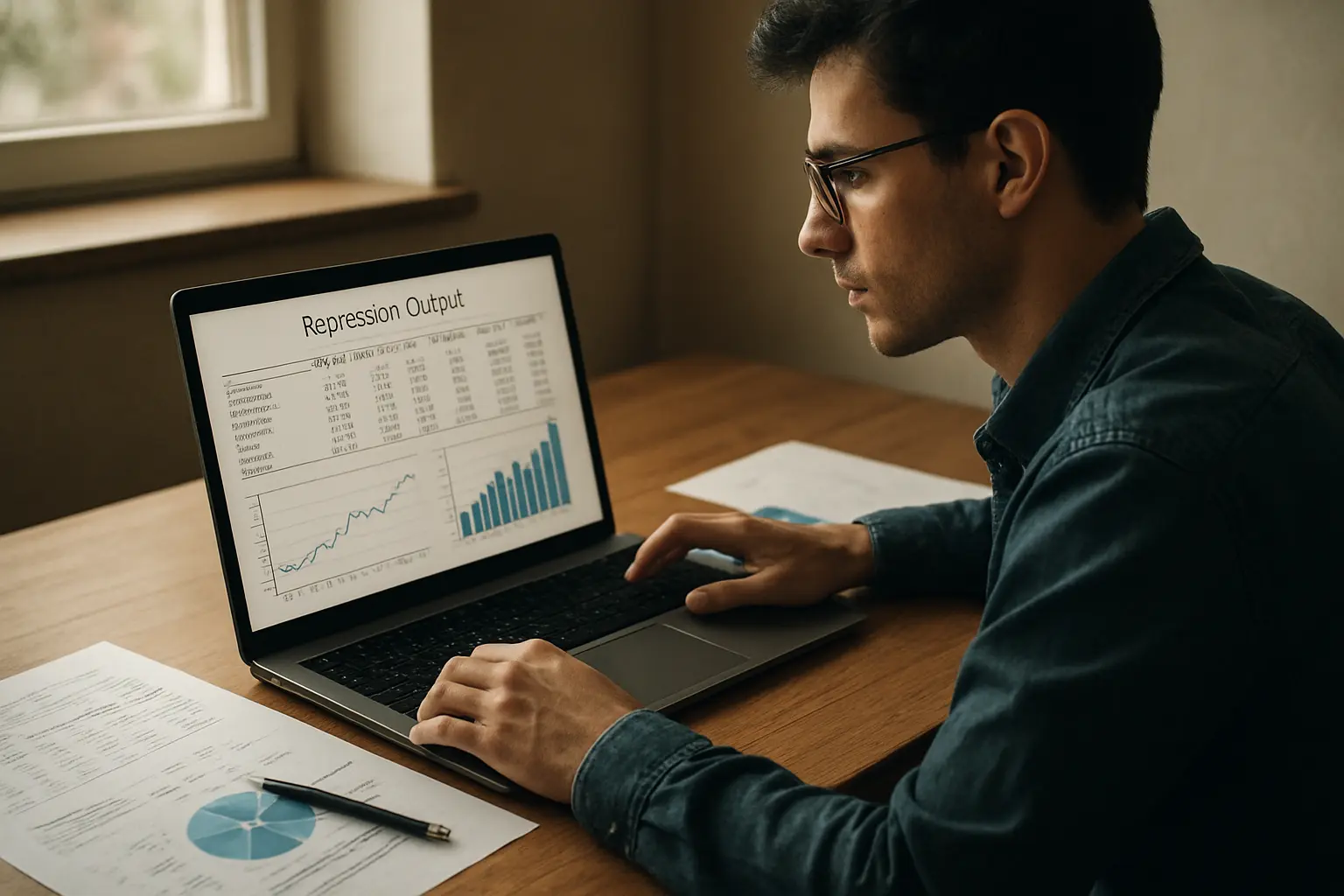
Literature review: tracing the theoretical debate
An economics literature review is structured differently from most other fields: rather than a purely chronological narrative, it typically traces a theoretical model or empirical debate through a sequence of papers, grouped by method or finding, ending in a clearly stated gap your dissertation fills. AI is well suited to helping you draft this structure — feed it your own reading notes and ask it to group papers by approach (structural vs. reduced-form, for example) and to flag where studies reach conflicting conclusions. The actual argument for why your gap matters, and why your specific dataset or period is the right one to fill it, has to be yours.
Sourcing and cleaning your data
Most empirical economics dissertations pull from public datasets such as FRED for US macroeconomic and financial series, the World Bank’s Open Data catalogue for cross-country indicators, or IMF datasets for exchange rates, reserves, and fiscal data. AI coding assistants can help you write the API queries or cleaning scripts faster, and can explain what a given variable definition actually measures. But you are responsible for verifying the series, checking for revisions or breaks, and documenting exactly which vintage of data you used — details examiners will ask about directly if your results look unusual.
Choosing and justifying your model
This is the chapter where AI adds the least value and where the biggest risk of overreliance sits. AI can summarise, in general terms, the trade-offs between fixed effects and random effects models, or explain what an instrumental variable needs to satisfy to be valid — useful as a refresher. It cannot tell you whether your specific dataset satisfies the exclusion restriction for your specific instrument, or whether your panel has enough within-unit variation for a fixed-effects specification to be informative. That judgement call is the core intellectual contribution examiners are grading, so treat AI explanations as background reading, not a substitute for working through the identification logic with your supervisor.
Writing up results and robustness checks
Once you have your regression output, AI is genuinely efficient at converting a raw results table into clear academic prose — describing coefficient signs, magnitudes, and significance levels in the conventions your department expects. It can also help you structure a standard robustness-check section (alternative specifications, subsample checks, placebo tests). The interpretation of what a coefficient means economically, and whether your robustness checks actually address the main threats to your identification strategy, still needs your own economic reasoning.
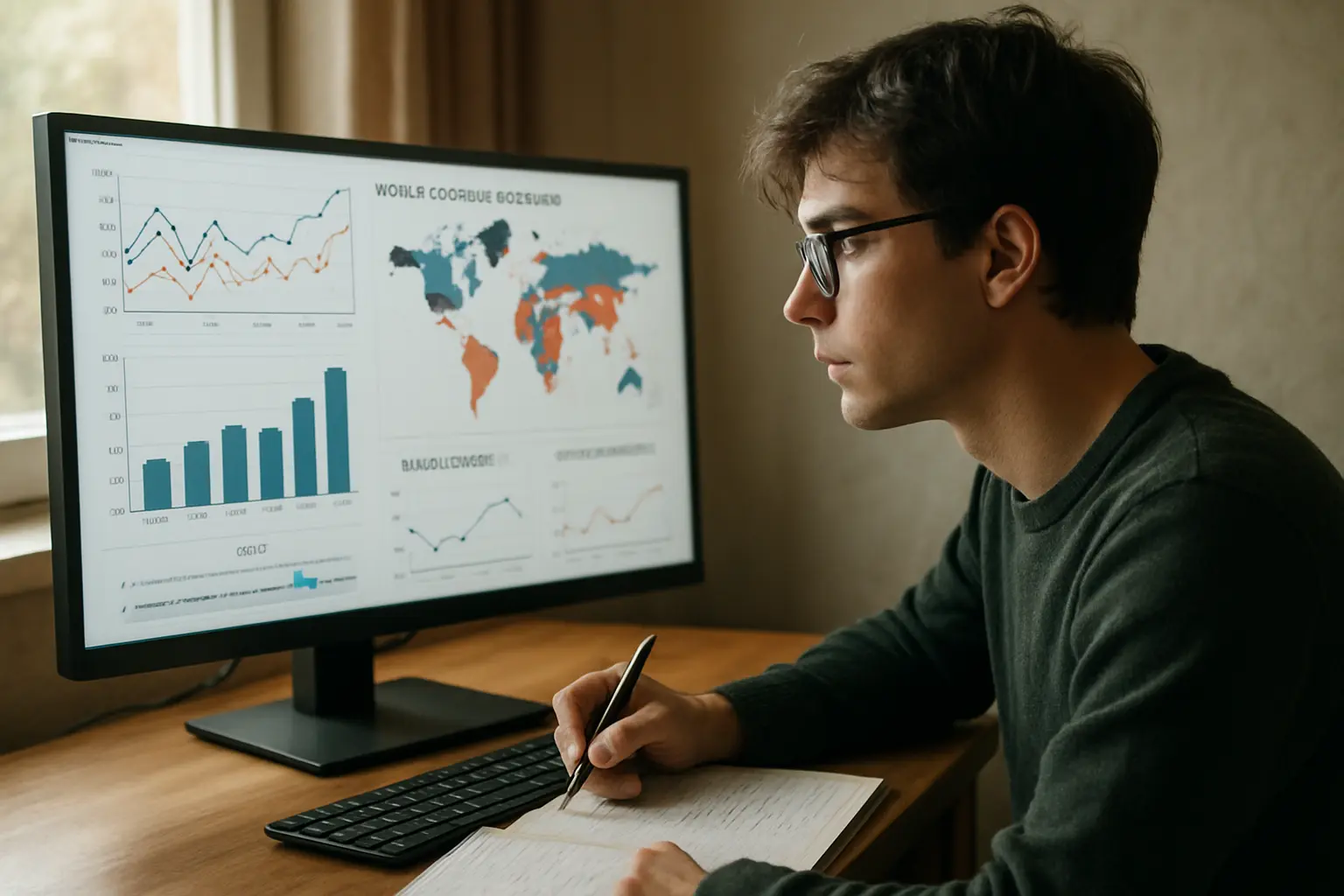
Where AI actually saves time: a chapter breakdown
| Section | Good AI use | Keep this yours |
|---|---|---|
| Literature review | Grouping papers by method/finding, outline drafting | Defining the gap your dissertation fills |
| Data sourcing | Query/cleaning scripts, variable explanations | Verifying series accuracy and vintages |
| Methodology | Explaining method trade-offs generally | Model choice and identification strategy |
| Results | Prose write-up of output, robustness structure | Economic interpretation of coefficients |
| References | Automatic formatting, in-text tracking | Verifying every source is real and accurate |
How Tesify fits an economics dissertation workflow
Tesify — built for exactly this workflow
Tesify is designed around the chapter-by-chapter reality of a dissertation, not a single blank-prompt “write my thesis” request. For economics students specifically, that means Tesify helps structure your literature notes into a working outline, keeps every citation you use tracked as you write across dozens of empirical papers, and generates a correctly formatted reference list automatically — critical when a single missing citation in a results-heavy chapter can trigger an integrity review.
Two features matter most in the final stretch: the built-in plagiarism checker lets you verify originality before you submit a results chapter full of paraphrased methodology sections, and Auto Bibliography removes the tedious manual cross-checking of every in-text citation against your reference list — the kind of task that eats hours in the week before submission.
For the full discipline-specific playbook on empirical vs. theoretical approaches, sourcing data, and structuring every chapter, see our complete economics thesis discipline guide. For the general AI-and-integrity rules that apply across every subject, our guide to using AI to write your dissertation covers what Oxford, Cambridge, Harvard, and MIT currently permit. If you are still turning raw reading notes into a first chapter draft, our notes-to-chapter AI workflow guide is a useful next read, and our education dissertation AI guide shows how the same principles apply in a qualitative-heavy field, if you are comparing approaches across disciplines.
FAQ
Can AI choose my regression model for my economics dissertation?
No. AI can summarise the trade-offs between methods like OLS, fixed effects, difference-in-differences, or instrumental variables, but choosing and justifying the model has to reflect your specific data structure and identification strategy, which examiners test directly.
Can AI pull data from FRED or the World Bank for me?
AI tools can help you write code to query APIs like FRED or the World Bank’s data catalogue, and can explain variable definitions, but you still need to verify the data series, check for revisions, and handle missing values yourself before running any analysis.
Will using AI to write my economics dissertation count as plagiarism?
It can, if you submit AI-generated analysis or prose as your own without disclosure, or if the AI fabricates citations you do not verify. Most economics departments allow AI as a drafting aid provided you disclose its use and the analytical judgement remains yours.
How is an economics dissertation literature review different from other fields?
Economics literature reviews typically trace a theoretical model or empirical debate through a sequence of papers, often organised by method or finding rather than strictly chronologically, and need to end by clearly identifying the specific gap your own model or dataset fills.
What is the fastest way to format economics citations correctly?
Economics departments commonly use author-date styles close to Chicago or APA. An automatic bibliography tool that tracks every in-text citation as you write and generates a matching reference list removes the most repetitive manual task before submission.
Spend your time on the model, not the formatting
Your economics dissertation should be graded on your identification strategy, not your citation formatting. Start free with Tesify and get your literature review structured, your citations tracked, and your originality checked before your next meeting with your supervisor.
Write your thesis with AI
Structure, draft, cite, and format your thesis faster with Tesify’s AI writing tools, automatic bibliography, and plagiarism checker. Free to start, no credit card required.






Leave a Reply