
Authorship and Credit in Doctoral Research 2026: CRediT, ICMJE and Who Owns Your Thesis Chapters
Authorship is earned by contribution, not by seniority or funding. Under the ICMJE criteria a person must meet all four conditions to be listed as an author, and the CRediT taxonomy — now a NISO standard — lets you record who did what across fourteen defined contributor roles.
This matters most to doctoral researchers, because the papers coming out of your thesis are usually your first negotiation over credit, and you are the least powerful person at the table.
What actually qualifies someone as an author?
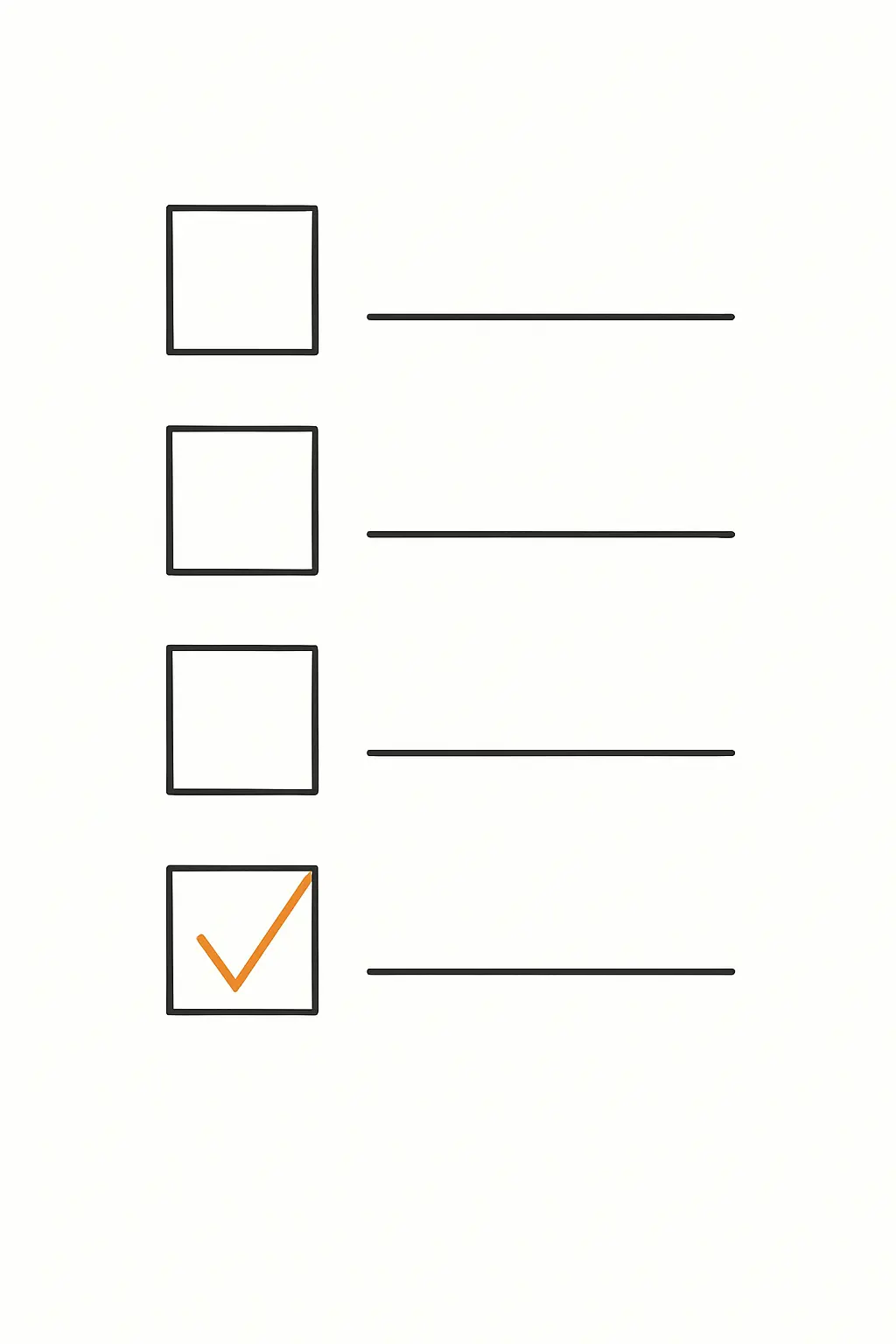
The most widely adopted definition comes from the International Committee of Medical Journal Editors. Although written for biomedical journals, its four-part test has been adopted far beyond medicine. Authorship requires all four of:
- Substantial contributions to the conception or design of the work, or to the acquisition, analysis or interpretation of data.
- Drafting the work or revising it critically for important intellectual content.
- Final approval of the version to be published.
- Agreement to be accountable for all aspects of the work, including the integrity and accuracy of any part of it.
Two consequences follow that surprise people. Someone who secured the funding but did nothing else does not qualify. And someone who collected data but never read the manuscript does not qualify either — criterion four means every author must be able to stand behind the whole paper, not only their slice of it.
Contributors who fail the test are not erased. They are acknowledged, which is a different and entirely respectable category.
How does CRediT change the picture?
The Contributor Roles Taxonomy, published by NISO, replaces the binary author-or-not question with a structured record of contribution. Most major publishers now collect it at submission. The fourteen roles are:
| Role | Role |
|---|---|
| Conceptualization | Project administration |
| Data curation | Resources |
| Formal analysis | Software |
| Funding acquisition | Supervision |
| Investigation | Validation |
| Methodology | Visualization |
| Writing – original draft | Writing – review & editing |
CRediT is useful to doctoral researchers for a specific reason: it makes the difference between “Supervision” and “Writing – original draft” visible in the published record. If you wrote the paper, the taxonomy says so explicitly, regardless of author order.
It does not, however, decide who is an author. A supervisor whose only role is Supervision may still be listed by disciplinary convention even though a strict ICMJE reading would exclude them. CRediT documents the arrangement; it does not adjudicate it.
Should your supervisor be a co-author?
There is no single answer, and the honest response is that disciplinary norms differ so sharply that advice from outside your field can be actively misleading.
| Field | Typical norm for papers from a thesis |
|---|---|
| Life and biomedical sciences | Supervisor almost always a co-author, usually last |
| Physical sciences and engineering | Supervisor commonly a co-author |
| Psychology and social sciences | Frequently co-authored; sole authorship not unusual |
| Humanities | Sole authorship is the norm; co-authorship uncommon |
| Mathematics | Co-authorship where genuine collaboration occurred; alphabetical order |
The defensible principle underneath the variation is the ICMJE test. A supervisor who shaped the research design, engaged critically with drafts and will stand behind the paper has earned authorship on any reading. A supervisor who signed off your progress reports has not.
What do the author positions signify?
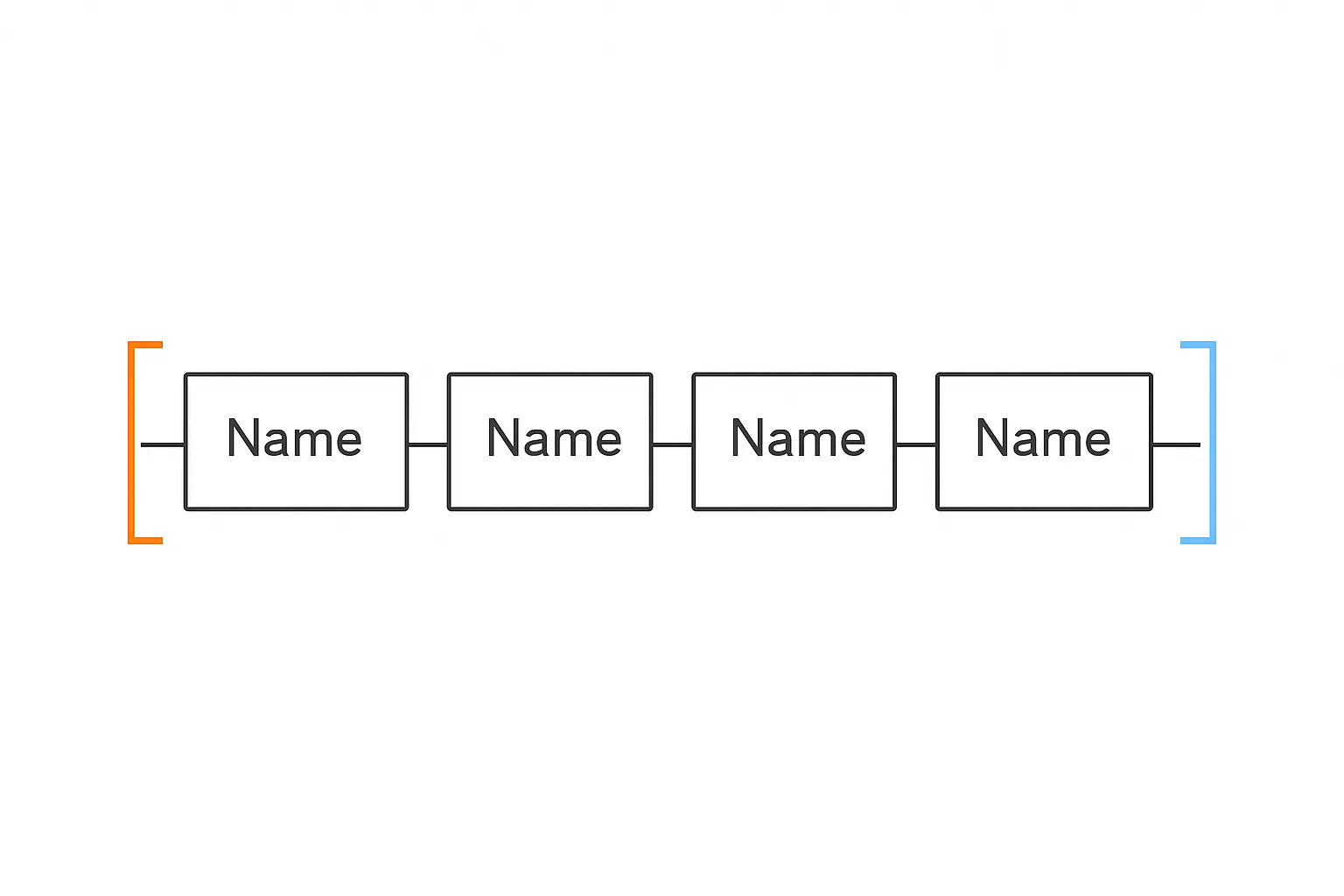
In most empirical disciplines, first author is the person who did the bulk of the work and wrote the paper — which, for a paper drawn from your thesis, should normally be you. The last position is the senior or corresponding author, typically the principal investigator or supervisor.
Middle positions are weakly informative and are exactly where CRediT statements do useful work.
In economics, mathematics and parts of theoretical physics, authors are listed alphabetically and position signifies nothing. Assuming the empirical convention applies in those fields leads people to badly misread a CV.
Who owns the copyright in your thesis?
In the UK, the default position is that the author of a literary work owns copyright in it, and a thesis is a literary work. As a student rather than an employee, you normally own the copyright in your own thesis.
That default is qualified in ways worth checking before you assume it:
- Your university’s intellectual property regulations. These bind you as a condition of registration and may assign rights in inventions, software or data even where the text remains yours.
- Funder and sponsor agreements. Industrially sponsored or collaboratively funded projects frequently carry IP terms that differ from the institutional default.
- Staff status. If you are employed by the university while doing the research — as many part-time and staff-candidate researchers are — the employment relationship can change the analysis substantially.
- Third-party material. You own your text, but not the figures, instruments or extended quotations you reproduced from others.
Depositing your thesis does not transfer copyright. A repository deposit agreement grants a non-exclusive licence to distribute; you remain the owner. Publishing a paper drawn from the thesis is a separate transaction with its own licence terms, which is why the sequencing in our guide on turning your thesis into a journal article matters.
What counts as authorship misconduct?
Three named practices are treated as breaches of research integrity across the sector:
Gift or honorary authorship — listing someone who did not meet the criteria, usually a head of department, a funder or a senior colleague. It is common, widely tolerated, and still a breach.
Ghost authorship — omitting someone who did meet the criteria. Doctoral researchers are the most frequent victims, typically when a supervisor publishes work substantially derived from a student’s thesis without listing them.
Coercive authorship — using supervisory power to demand a position not earned by contribution. The power asymmetry between candidate and supervisor is what makes this hard to challenge.
The Committee on Publication Ethics publishes decision flowcharts covering disputed authorship, and in the UK the UK Research Integrity Office provides independent advice to researchers, including students, who need guidance outside their own institution.
How to prevent a dispute before it starts
Almost every authorship dispute traces back to an expectation never made explicit. The remedy is unglamorous and effective.
- Agree authorship at the start of each output, not the end. The conversation is easy before anyone has invested effort and difficult afterwards.
- Write it down. A short email summarising who will be listed, in what order, and on what basis is enough. Send it after the conversation and keep the reply.
- Use CRediT roles in the agreement. Naming the roles each person will fill converts a vague promise into something checkable.
- Revisit when contributions change. If someone joins the project or drops away, amend the agreement rather than leaving it to be settled at submission.
- Find your institution’s policy now. Most universities have a research integrity or authorship policy naming the criteria they apply and the escalation route. Read it before you need it.
If a dispute does arise, escalate through the institutional research integrity office rather than the departmental hierarchy where possible. Doctoral researchers are structurally disadvantaged in an informal negotiation with a supervisor, and the formal process exists precisely for that reason.
Frequently asked questions
Can my supervisor publish my thesis work without me?
Not legitimately. If the work derives substantially from your thesis and you meet the authorship criteria, omitting you is ghost authorship, a recognised breach of research integrity. You also hold copyright in your own thesis text. Raise it with your institution’s research integrity office rather than settling it informally.
Do I have to give my supervisor co-authorship on papers from my thesis?
Only if they meet the authorship criteria for that specific paper. Disciplinary norms vary widely — routine in the life sciences, unusual in the humanities — but the test is contribution, not supervision alone. A supervisor who shaped the design and revised the manuscript critically has earned it.
What is the difference between an author and an acknowledgement?
Authors meet all four criteria and are accountable for the whole work. Acknowledgements recognise contributions that fall short of that, such as technical assistance, providing materials, general supervision or funding without further involvement. Acknowledgement is a legitimate category, not a demotion.
Who owns the copyright in my PhD thesis?
In the UK you normally own copyright in your thesis as its author. Check your university’s intellectual property regulations and any funder or sponsor agreement, since these can assign rights in data, software or inventions, and your position may differ if you were employed by the institution while researching.
What is CRediT and do I need to use it?
CRediT is a standardised taxonomy of fourteen contributor roles, maintained by NISO and collected at submission by most major publishers. You will usually be asked to complete it whether or not you sought it out, and it is worth using in your own authorship agreements because it makes contributions explicit.
Does author order matter for my academic career?
In most empirical disciplines, yes. First authorship signals that you led the work, and hiring and funding panels read it that way. In alphabetically ordering fields such as economics and mathematics it carries no signal at all, so know which convention your field follows before negotiating.
Preparing papers from your thesis? Tesify generates the bibliography, formats citations to any target journal’s style, and produces an AI-use declaration you can submit alongside the manuscript.
Write your thesis with AI
Structure, draft, cite, and format your thesis faster with Tesify’s AI writing tools, automatic bibliography, and plagiarism checker. Free to start, no credit card required.





Leave a Reply