

An accounting thesis using real data from inside a real company sits on genuinely different footing than one using public financial statements or a hypothetical dataset — access has to be negotiated, confidentiality has to be protected in both directions, and data ownership needs to be settled explicitly before you start collecting anything. This guide covers what a company-based accounting thesis needs that a desk-based one does not: the access agreement, confidentiality and NDA considerations, data-ownership terms, auditor-independence issues where relevant, and what belongs in your methods chapter to document all of it.
Get the access agreement in writing, not a verbal understanding
A verbal agreement with a manager or finance director (“sure, you can look at our numbers”) is not sufficient documentation for a thesis, and most ethics committees will ask for a written access agreement before approving the project. A workable access agreement states, at minimum: what specific data or documents you will access, who within the company has authorized that access, what you are permitted to include in the final written document (exact figures versus ranges, named individuals versus roles, the company’s real name versus an anonymized reference), and how long the agreement remains valid if your timeline slips. Getting this in writing protects you if a contact leaves the company mid-project, and protects the company from a scope of disclosure broader than they actually agreed to.
Formal NDAs versus an academic access agreement
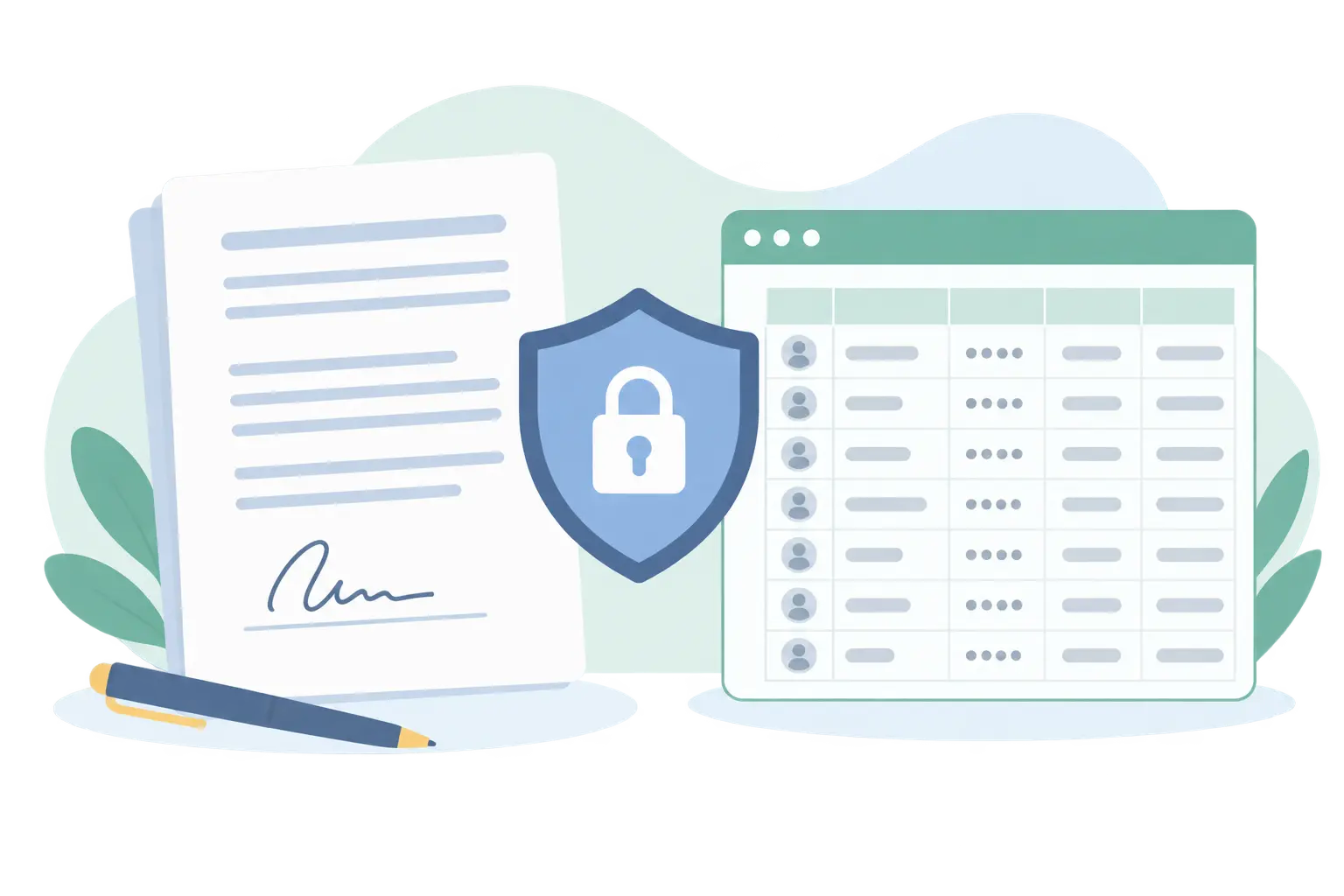
Larger companies, particularly in regulated industries, may ask you to sign a formal non-disclosure agreement (NDA) rather than a simpler academic access letter, and the two are not identical documents. A standard commercial NDA is written to protect the company’s interests and may include terms — an indefinite confidentiality period, or restrictions broad enough to prevent you from discussing even general, non-identifying findings — that conflict with your obligation to produce a submittable, examinable thesis. Before signing, check the NDA against your program’s requirements: does it allow your supervisor and examiners to read the confidential sections, does it permit you to submit the thesis to an institutional repository (even under embargo), and does its confidentiality period have a defined end rather than running indefinitely. Where a company’s standard NDA does not accommodate these needs, negotiate a modified version or a supplementary academic-access addendum rather than signing an NDA that makes your own thesis unsubmittable.
Anonymizing the company — when and how
Many company-based accounting theses anonymize the organization entirely, referring to it as “Company A” or a masked pseudonym rather than its real name, particularly where the thesis discusses specific financial figures, internal control weaknesses, or anything the company would reasonably prefer not attributed publicly. Anonymizing the company name alone is not always sufficient — industry, size, location and other contextual details can make a company identifiable even without naming it, similar to the disclosure-risk problem any small or distinctive research site faces. Decide and state explicitly in your methods chapter how much contextual detail is disclosed alongside the pseudonym, and whether any specific figures are reported as exact values, ranges, or ratios instead of raw numbers where exact figures would be too identifying.
Data ownership: state it before you collect anything
Your access agreement should state explicitly who owns what: the company retains ownership of its own underlying records regardless of what you are given access to, but your agreement needs to specify clearly what analysis, derived findings, and your own written thesis text you are permitted to keep, publish in your final submitted document, and retain personally after the project ends. This matters practically — a company can reasonably restrict you from keeping a copy of their raw financial data after the project, while still permitting you to keep and publish your own analysis and conclusions drawn from it. Address this distinction explicitly rather than leaving “the data” undifferentiated between raw records and your own derived work product.
Auditor independence and conflict-of-interest considerations
Where a company-based accounting thesis involves a company that is also an audit client of a firm you work for, or where you personally have a financial relationship with the company beyond employment (equity, a family connection to ownership), independence and conflict-of-interest considerations that go beyond standard research ethics come into play. Disclose any such relationship explicitly in your methods chapter, not just to your ethics committee privately, since a reader evaluating your findings needs to be able to judge whether the relationship could have influenced data access, interpretation, or the conclusions you were willing to draw. Where the relationship is close enough to create a genuine independence concern under professional accounting-body standards you or your supervisor are bound by, address this directly with your program rather than assuming a thesis-level disclosure alone resolves it.
Using your own employer as the company
Using your own employer is a common and often practical route to company access, since the relationship and trust already exist — but it needs explicit handling rather than being left implicit. State the employment relationship clearly in your methods chapter, and address directly how you managed the tension between your role as an employee (with existing loyalties and, potentially, a stake in favorable findings) and your role as a researcher expected to report findings objectively, including any findings the company might prefer were not highlighted. A brief, honest positionality statement addressing this tension reads as considerably stronger to a committee than a methods chapter that says nothing about the dual relationship and lets the reader wonder whether it was considered at all. Our guide on whether you can research your own workplace covers the parallel access and objectivity considerations for any employer-based study.
Pre-submission review requests from the company
Companies granting thesis access commonly request the right to review the final document before submission — and this request needs to be scoped carefully in your access agreement from the start. A reasonable version: the company reviews for confidentiality compliance only, checking that no information beyond what was agreed to disclose has been included. An unreasonable version: the company reviews and requests changes to your findings, conclusions, or interpretation before you are permitted to submit — this crosses from a confidentiality check into an attempt to control your academic conclusions, and should be declined or escalated to your supervisor rather than quietly accommodated. State this distinction explicitly in the access agreement itself, before any review actually happens, so there is no ambiguity if the company’s request turns out to exceed a confidentiality check.
What if access is withdrawn partway through?
Company access can be withdrawn mid-project for reasons entirely unrelated to your research — a change in management, an unrelated internal crisis, a shift in company priorities. Build a contingency into your proposal from the start: what secondary or public-data fallback exists if primary company access is withdrawn, and at what point in your timeline would you need to trigger that fallback to still meet your submission deadline. A thesis proposal that has thought through this risk explicitly, even briefly, is considerably more resilient than one that treats continued access as guaranteed once initially granted.
What goes in the methods chapter
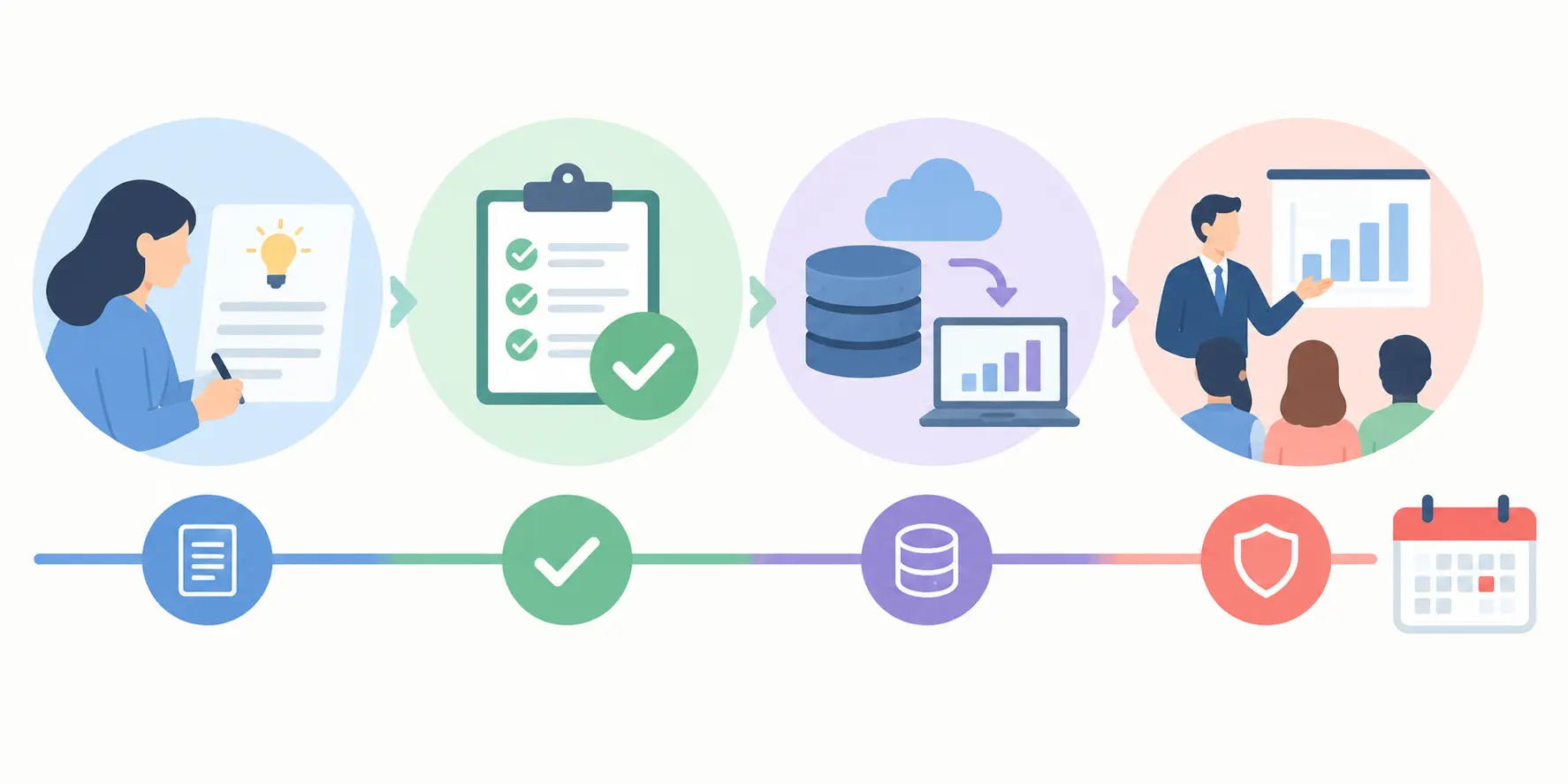
A company-based accounting thesis methods chapter should document, explicitly: how access was negotiated and with whom, what the written access agreement covers, whether and how the company is anonymized, the data-ownership terms, any disclosed relationship (employment, financial, or otherwise) between the researcher and the company, and the pre-submission review arrangement if one exists. This is more documentation than a desk-based thesis using only public data needs, and skipping it is one of the fastest ways to draw a methods-chapter objection specific to company-based accounting research.
A worked example
Weak version: “Data for this study was obtained from a mid-sized manufacturing company with the permission of management.” (No agreement referenced, no anonymization stated, no ownership terms, no relationship disclosed.)
Stronger version (illustrative): “Data for this study was obtained from a mid-sized manufacturing company, referred to throughout as ‘Company A’ per a written access agreement signed before data collection with the Chief Financial Officer. The agreement specifies that exact revenue figures are reported as indexed ratios rather than raw values, that the researcher retains rights to publish derived analysis but not raw underlying records, and that Company A’s review prior to submission is limited to confidentiality compliance. The researcher has no employment or financial relationship with Company A.”
The second version documents every element a committee would otherwise have to ask about individually.
Comparing to other organizational-access research
The access, confidentiality and data-ownership discipline described here is close kin to the considerations any thesis working inside a real organization faces — see our guide to writing a consulting or in-company project for the parallel structure a broader business consulting project needs, and our complete guide to writing a business management dissertation for the wider chapter structure this access chapter sits inside.
Mistakes that create access or confidentiality problems mid-thesis
- No written access agreement — relying on a verbal understanding that a single contact leaving the company can unravel.
- Anonymizing the name but not the context — industry, size and location combine to make the company identifiable despite a pseudonym.
- Data ownership left undifferentiated — no distinction between raw records the company keeps and derived analysis the researcher is permitted to retain and publish.
- An undisclosed employment or financial relationship with the company under study.
- A pre-submission review scoped too broadly, letting the company influence findings rather than only checking confidentiality compliance.
- Signing a commercial NDA unmodified, without checking it permits examination and submission.
- No fallback plan if company access is withdrawn partway through the project.
Frequently asked questions
Do I need a signed agreement to use my employer’s financial data in a thesis?
Yes, in writing, even if your manager verbally agreed. A written data-access and disclosure agreement specifying what can and cannot appear in the final document protects both you and the company.
Can I anonymize a company instead of naming it?
Yes, and many company-based accounting theses do exactly this, referring to “Company A” or a masked pseudonym rather than the real name, particularly where financial figures are disclosed.
Who owns the data I collect during my thesis?
This must be stated explicitly in your access agreement. The company typically retains ownership of its own records; your agreement should state clearly what analysis and derived findings you are permitted to keep, publish and retain after the thesis is submitted.
Can I use my own employer as the company for my thesis?
Often yes, and it is a common route, but disclose the employment relationship explicitly in your methods chapter and address the objectivity and independence implications directly rather than leaving them unstated.
What happens if the company wants to review my thesis before submission?
Clarify this at the access-agreement stage. Companies commonly request review for confidentiality compliance, which is reasonable, but a request to approve conclusions or findings before submission is different and should be declined or escalated to your supervisor.
Should I sign a company’s standard commercial NDA as-is?
Check it first against your program’s requirements — that it allows your supervisor and examiners to read confidential sections, permits eventual submission (even under embargo), and has a defined confidentiality end date, rather than signing an NDA that could make your own thesis unsubmittable.
What if my company access is withdrawn partway through the project?
Build a fallback into your proposal from the start — a secondary or public-data option and a decision point in your timeline for triggering it — rather than treating continued access as guaranteed.
Document your company access the way an accounting committee expects
Tesify’s thesis workspace, used by 9,000+ students and 15,000+ chapters, helps accounting researchers structure a methods chapter that documents access, confidentiality, data ownership and any disclosed relationship. Every word stays 100% written by you.
Write your thesis with AI
Structure, draft, cite, and format your thesis faster with Tesify’s AI writing tools, automatic bibliography, and plagiarism checker. Free to start, no credit card required.






Leave a Reply