

How to Write Your Methodology Chapter Faster with AI (2026)
You can write your methodology chapter faster with AI by using it to structure sections, rephrase your own notes into academic prose, and pressure-test your justifications — while you keep every actual methodological decision. AI accelerates the writing, not the thinking: you choose the design and defend it, and the AI helps you say it clearly and quickly.
The methodology chapter is where more dissertations stall than almost anywhere else, because it demands that you not only describe what you did but justify every choice against alternatives. That combination of structure and argument is exactly where a disciplined AI workflow saves the most time — if you use it correctly.
Why Does the Methodology Chapter Take So Long?
Unlike a literature review, the methodology cannot be assembled from other people’s words. It has to describe your specific choices — your sampling, your instruments, your analysis — and defend each one. Students lose weeks not because they lack the information but because turning a pile of decisions into a coherent, justified narrative is genuinely hard. This is a structuring-and-articulation problem, which is precisely what AI is good at assisting with, and why the same approach helps when you write a literature review faster with AI or draft your discussion chapter.
What Is the Step-by-Step AI Workflow?
- Decide your method first, without AI. Choose your design, sampling, and analysis based on your research questions. These are your intellectual choices and must be defensible at a viva.
- Generate a section skeleton. Ask AI to produce a standard methodology structure for your design (e.g. mixed-methods), so you have labelled sections to fill rather than a blank page.
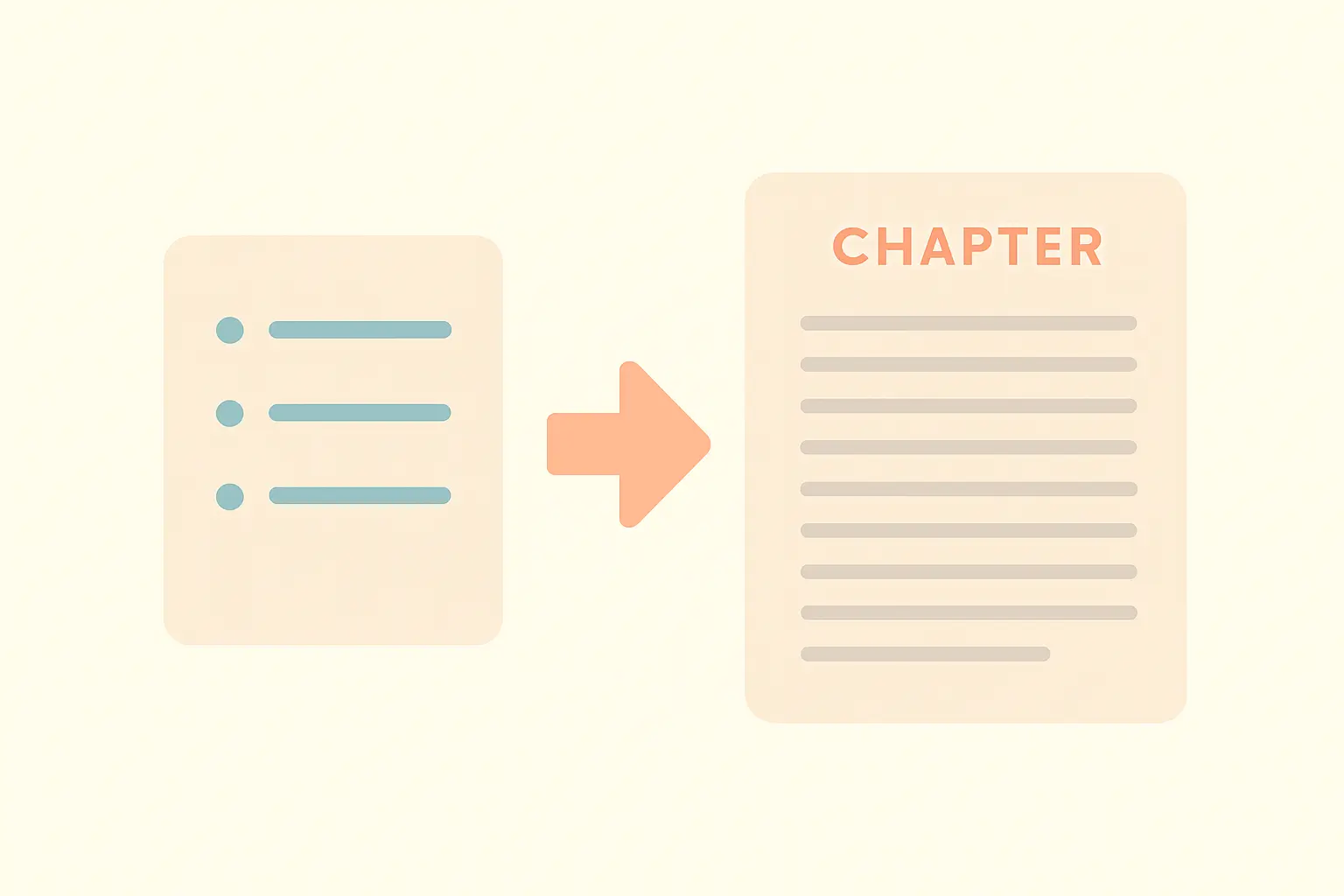
- Feed in your own decisions as notes. Give the AI your bullet-point choices — “purposive sampling, 18 participants, thematic analysis” — and ask it to expand them into structured academic prose you then edit.
- Draft the justification, then challenge it. For each choice, ask the AI to play examiner: “What would a critic say about this sampling approach?” Use the answers to strengthen your defence, not to replace it.
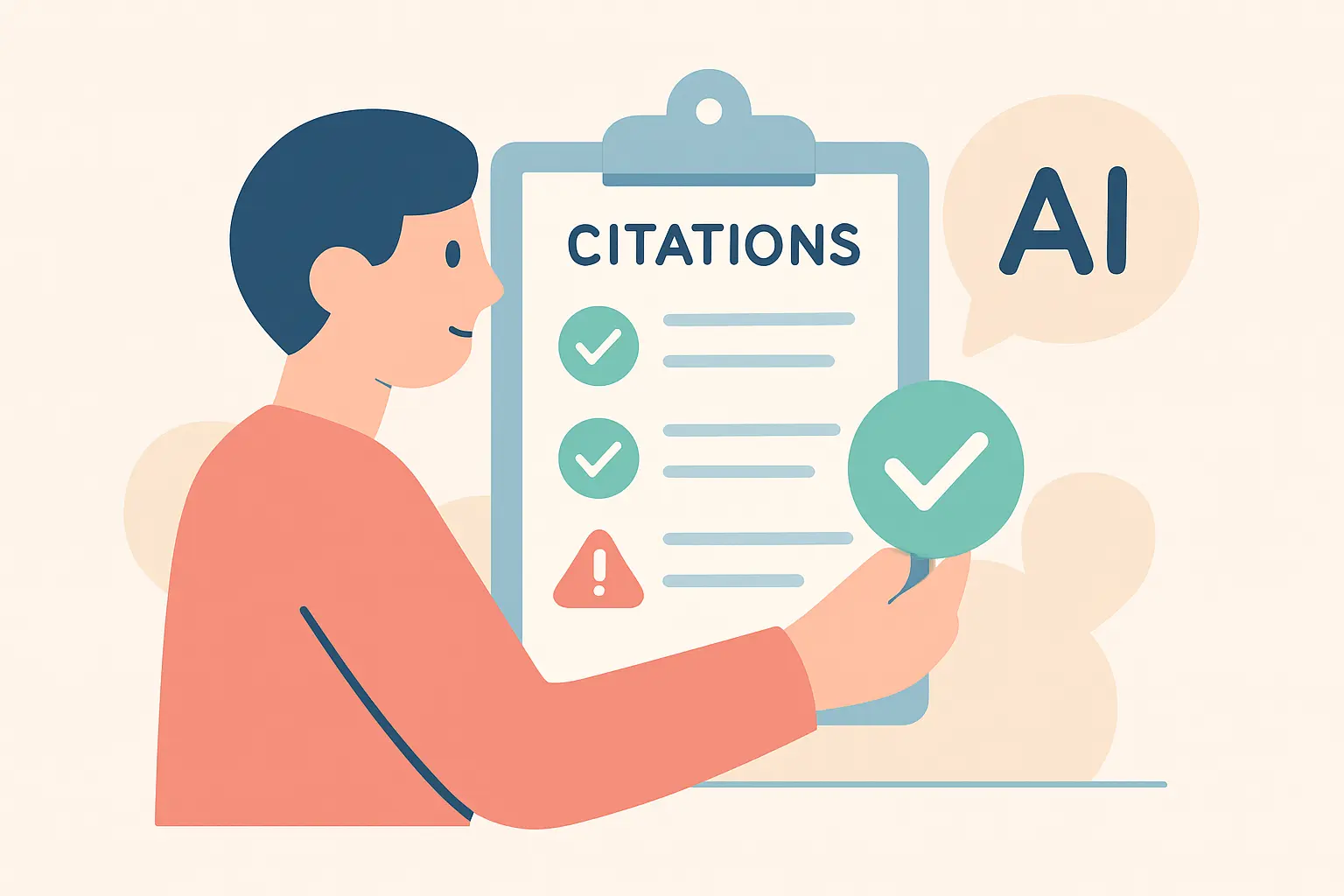
- Insert and verify your own citations. Cite the methodological sources yourself and verify any references AI suggests — AI can hallucinate plausible-looking citations that do not exist.
- Polish and tighten. Use AI to improve clarity and flow across the finished draft, then read it aloud to confirm it still sounds like you.
What Does a Strong Methodology Chapter Include?
| Section | What it covers | Where AI helps |
|---|---|---|
| Research approach | Philosophy / paradigm and overall design | Structuring, clear phrasing |
| Data collection | Instruments, procedures, materials | Turning notes into prose |
| Sampling | Who, how many, how selected | Drafting the justification |
| Data analysis | Techniques and tools used | Explaining steps clearly |
| Ethics & limitations | Approvals, consent, constraints | Checklists, completeness |
For the underlying rules of what each section must contain, our step-by-step guide to writing a dissertation methodology chapter is the companion to this AI workflow.
What Are the Traps to Avoid?
- Letting AI pick your method. If you cannot explain why you chose an approach, you will not survive the viva. AI describes; you decide.
- Trusting AI-generated citations. Always confirm each reference exists and says what the AI claims.
- Generic filler. A methodology padded with textbook definitions of “qualitative research” wastes words; examiners want your justified choices, not a primer.
- Skipping disclosure. Where your university requires an AI-use statement, declare how you used the tool.
Tesify helps you turn your research decisions into a structured, properly cited methodology chapter — keeping you in control of every choice while it handles the structuring and formatting. Start your methodology chapter.
FAQ
Can AI write my methodology chapter?
AI can help you draft, structure, and refine your methodology chapter, but it should not decide your research design. You choose and justify the method; AI helps you articulate it clearly, organise the sections, and tighten the prose. Letting AI invent methodological choices you cannot defend is both academically risky and easy to expose at a viva.
Is it allowed to use AI for a dissertation methodology chapter?
At most universities in 2026, using AI to help write and edit your own methodology is permitted as long as you disclose it where required and the intellectual choices are your own. Presenting AI-generated content as fully original undisclosed work is the violation, not using AI as a drafting aid.
How do you structure a methodology chapter?
A typical methodology chapter covers research philosophy or approach, research design, data collection methods, sampling, data analysis techniques, ethical considerations, and limitations. AI is useful for generating a section skeleton from this structure so you can fill each part with your specific, justified choices.
How can AI speed up writing my methodology without risking plagiarism?
Use AI on your own material: feed it your notes and decisions and ask it to structure or rephrase them, rather than asking it to write generic content from scratch. Always cite methodological sources yourself, verify any references AI suggests, and run a similarity check before submitting.
Related Reading
Write your thesis with AI
Structure, draft, cite, and format your thesis faster with Tesify’s AI writing tools, automatic bibliography, and plagiarism checker. Free to start, no credit card required.






Leave a Reply