

Narrative Analysis vs Discourse Analysis: Key Differences (2026)
Narrative analysis and discourse analysis differ in what they treat as the object of study: narrative analysis examines the stories people tell and how they construct meaning through narrative structure, taking the whole account as its unit; discourse analysis examines how language itself constructs social reality, identity, and power across stretches of talk or text. Put simply, narrative analysis asks what a story means, while discourse analysis asks what language does.
The two are frequently confused because both work with qualitative language data and both reject the idea that language is a neutral window onto reality. But they rest on different theoretical roots and answer different research questions, and choosing the wrong one can leave your analysis mismatched to your aims. This guide sets out the distinctions that matter when you design a study.
What Is Narrative Analysis?
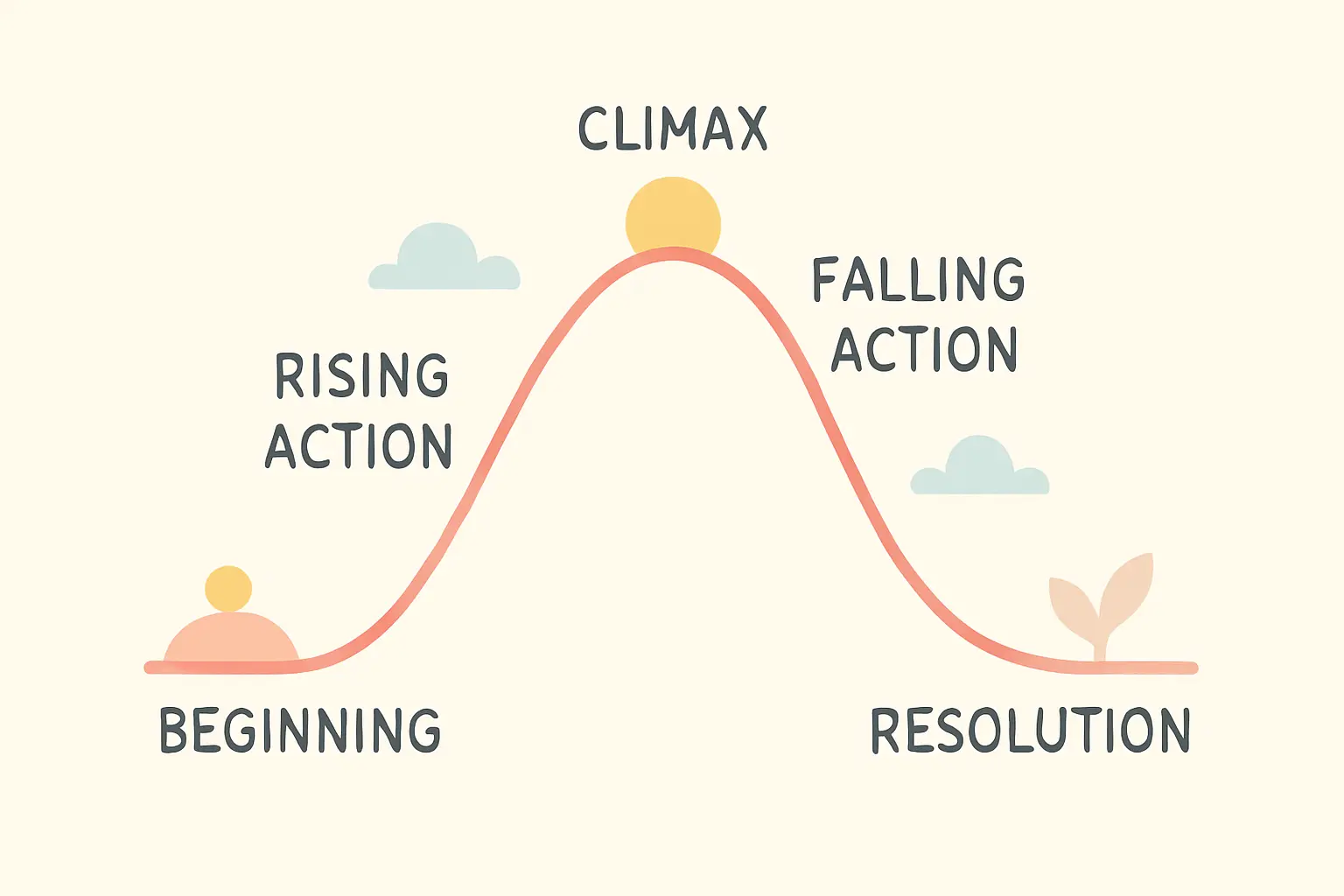
Narrative analysis treats the story as the fundamental unit of meaning. Rather than fragmenting an interview into codes, it keeps each account whole, attending to how it is structured, sequenced, and told. Its central assumption is that people make sense of their lives and identities through storytelling, so the form of a narrative — its plot, turning points, and evaluative moments — is itself data.
The tradition draws on figures such as Catherine Riessman, who distinguished thematic, structural, dialogic/performance, and visual forms of narrative analysis, and William Labov, whose model of narrative structure (abstract, orientation, complicating action, evaluation, resolution, coda) is widely used to analyse how stories are built. Narrative approaches are common in health research (illness narratives), identity studies, and life-history work, where preserving the whole account matters more than counting themes across cases.
What Is Discourse Analysis?
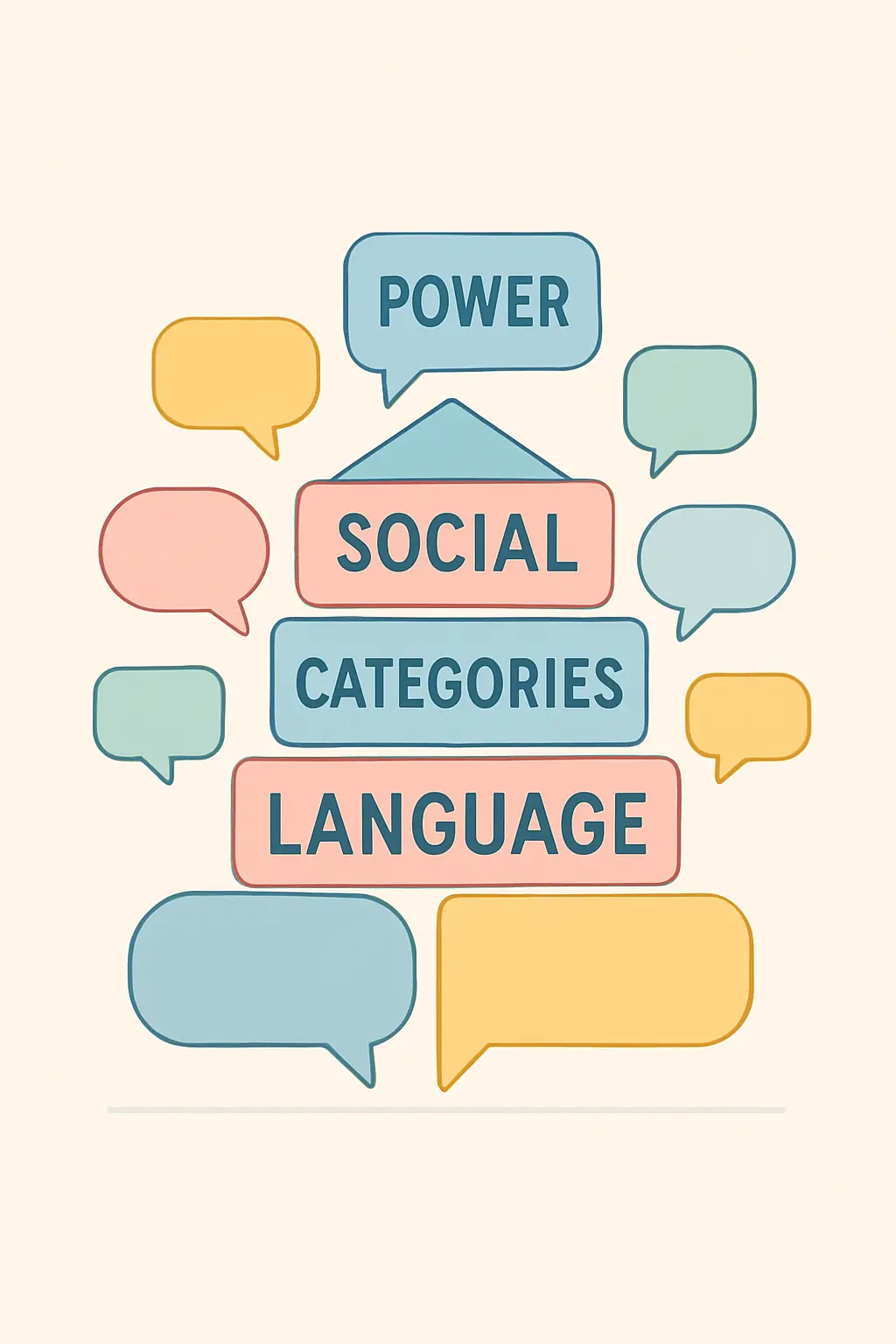
Discourse analysis shifts the focus from the story to language in use. Its guiding question is how language constructs versions of reality — how categories, identities, relationships, and power are produced and maintained through talk and text. Language here is not a transparent report of events but a form of social action that does things: it justifies, blames, positions, and legitimises.
The label covers several distinct strands. Critical discourse analysis (associated with Norman Fairclough and Ruth Wodak) foregrounds ideology and power, examining how discourse reproduces social inequalities. Foucauldian discourse analysis traces how bodies of knowledge shape what can be said and thought. Discursive psychology (Jonathan Potter and Margaret Wetherell) examines how psychological states are constructed in interaction, and conversation analysis studies the fine-grained organisation of talk. What unites them is the treatment of language as constitutive rather than merely descriptive.
What Are the Key Differences?
| Dimension | Narrative analysis | Discourse analysis |
|---|---|---|
| Core question | What does this story mean? | What does this language do? |
| Unit of analysis | The whole account / story | Stretches of talk or text |
| Focus | Experience, identity, meaning-making | Construction of reality, power, categories |
| Data kept whole? | Yes — sequence preserved | Not necessarily — extracts analysed |
| Key figures | Riessman, Labov | Fairclough, Foucault, Potter & Wetherell |
| Typical use | Illness narratives, life histories | Policy framing, media, interaction |
The clearest practical difference is the unit of analysis. Narrative analysis resists breaking data into fragments because sequence and structure carry meaning; discourse analysis is comfortable working with extracts because the interest is in patterns of language rather than the arc of a single account. This is a sharper distinction than the one between related qualitative methods such as content analysis and thematic analysis, which both fragment data into categories.
How Do You Choose Between Them?
Let your research question decide. If you want to understand how individuals experience and make sense of events over time — a diagnosis, a migration, a career change — narrative analysis preserves the meaning that a coding-based method would fracture. If you want to understand how language constructs a phenomenon, positions people, or reproduces power — how a newspaper frames asylum seekers, or how clinicians and patients negotiate authority — discourse analysis is the better fit.
Epistemology matters too. Narrative work often sits within an interpretivist frame concerned with subjective meaning, while critical discourse analysis carries an explicit critical-realist or critical agenda concerned with ideology and social change. Aligning your method with your broader qualitative research design keeps the study coherent from paradigm to analysis.
Can You Combine Them?
Yes, and some researchers do, since a narrative is itself a form of discourse. A study might use narrative analysis to understand how participants structure their personal stories, then draw on discourse analysis to examine the wider cultural language and power relations those stories mobilise. The combination can be powerful, but it demands a clear, justified rationale and careful reflexivity so that the two lenses complement rather than blur each other — the kind of transparency discussed in work on reflexivity in qualitative research.
FAQ
What is the difference between narrative analysis and discourse analysis?
Narrative analysis studies the stories people tell and how they construct meaning through narrative structure, treating the whole account as the unit of analysis. Discourse analysis studies how language itself constructs social reality, identity, and power across stretches of talk or text. Narrative analysis asks what a story means; discourse analysis asks what language does.
When should you use narrative analysis?
Use narrative analysis when your research question centres on lived experience, identity, or how individuals make sense of events over time — for example, illness journeys, career transitions, or life histories. It keeps accounts whole rather than fragmenting them into codes, preserving sequence and meaning.
When should you use discourse analysis?
Use discourse analysis when you are interested in how language constructs meaning, categories, identities, or power relations — for example, how policy documents frame a social group, or how speakers manage accountability in conversation. Critical discourse analysis specifically foregrounds power and ideology.
Can you combine narrative and discourse analysis?
Yes, some researchers draw on both, since narratives are themselves a form of discourse. A study might use narrative analysis to understand how participants structure their stories and discourse analysis to examine the wider language patterns and power relations those stories draw on. Combining them requires a clear, justified rationale.
Is narrative analysis the same as thematic analysis?
No. Thematic analysis fragments data into codes and themes across participants, while narrative analysis keeps each account whole to preserve its structure and sequence. They answer different questions: thematic analysis identifies patterns across cases, narrative analysis interprets the meaning within a single story.
Related Reading
Write your thesis with AI
Structure, draft, cite, and format your thesis faster with Tesify’s AI writing tools, automatic bibliography, and plagiarism checker. Free to start, no credit card required.





Leave a Reply