
Student Finance UK: How to Cut Costs by £3k in 6 Months
The average UK student graduates with over £45,000 in debt — and that figure has climbed consistently since 2012 tuition reforms. Most students accept this as inevitable. It isn’t. With a focused plan, you can realistically cut £3,000 from your student living costs within six months without sacrificing your grades, your social life, or your sanity.
This guide breaks down exactly where that money goes, which cuts actually stick, and how to build smarter habits around student finance UK — whether you’re a first-year undergraduate or a postgraduate trying to keep your dissertation costs under control.
What’s in This Guide
- Where Most of Your Money Actually Goes
- 1. Housing: The Biggest Single Saving
- 2. Food Budgeting That Doesn’t Feel Like Punishment
- 3. Subscriptions and Academic Software
- 4. Student Discounts Most People Ignore
- 5. Grants, Scholarships, and Bursaries You Haven’t Claimed
- Your 6-Month Cost-Cutting Checklist
- Frequently Asked Questions

Where Most of Your Money Actually Goes
Before cutting anything, you need a clear picture of the actual numbers. According to the IFS Annual Report on Education Spending in England 2024–25, total per-student spending on higher education has shifted significantly — but student living costs haven’t moved with it. The average maintenance loan in 2024–25 for students living away from home outside London is £9,978. The average student actually spends closer to £12,000–£14,000 annually on living costs.
That gap — often £2,000 to £4,000 — is where the debt compounds. Here’s a realistic breakdown of where a typical UK student’s money flows each month:
| Expense Category | Average Monthly Cost | Potential Monthly Saving |
|---|---|---|
| Rent / Accommodation | £600–£900 | £100–£250 |
| Food & Groceries | £200–£350 | £60–£120 |
| Transport | £60–£120 | £20–£50 |
| Subscriptions (streaming, software, apps) | £40–£80 | £25–£60 |
| Eating out / Socialising | £100–£200 | £30–£80 |
| Academic materials & tools | £30–£70 | £20–£50 |
Run the numbers on the “potential saving” column: at the conservative end, that’s £255 per month — or £1,530 over six months. Hit the higher end consistently and you’re looking at £610 monthly, or £3,660 in six months. That’s where £3k becomes achievable, not aspirational.
1. Housing: The Biggest Single Saving
Rent is almost always the largest line item in any student budget, and it’s also the one most students treat as fixed. It isn’t — but it does require the most lead time to change.
Switch from university halls to private lets in year two. The price difference is often £150–£250 per month for comparable space. In a shared house of three or four, private rents per person drop sharply compared to en-suite halls with “all-inclusive” pricing.
Negotiate your renewal. Private landlords frequently prefer to keep existing tenants over advertising costs and void periods. If you’ve been a reliable tenant, asking for a rent freeze — or even a modest reduction — has a higher success rate than most students expect. A straightforward email referencing your payment history and the local rental market is often enough.
Consider a university hardship or accommodation bursary. Most UK universities have emergency and hardship funds that students don’t claim because they assume they won’t qualify. The Turn2us Grants Search lists over 1,500 charitable funds specifically for students in financial difficulty — many go underclaimed every year.
Realistic target: £100–£200/month saved on housing = £600–£1,200 over six months.
2. Food Budgeting That Doesn’t Feel Like Punishment
Most student food advice reads like it was written by someone who hasn’t eaten a meal since 1987. This is more practical.
The £25/week food budget is achievable. It requires batch cooking twice a week, a reliable rotation of 5–6 cheap protein sources (eggs, tinned fish, lentils, frozen chicken, tofu), and shopping at Aldi or Lidl rather than the Tesco Metro near campus. Students who switch supermarkets save an average of £40–£60/month without changing what they eat — just where they buy it.
Use the supermarket yellow-sticker sections strategically. Most stores reduce perishables between 7–9 PM and again at opening time. It sounds obvious. Most students still don’t do it.
Stop eating on campus as a default. A campus meal deal averages £5–£7 in 2024. A packed lunch costs under £1.50. If you buy lunch on campus three days a week, that’s £780–£1,092/year. Pack lunch three days a week and you’re saving £500+ annually on one habit change alone.
Realistic target: £60–£100/month saved on food = £360–£600 over six months.
3. Subscriptions and Academic Software
This is the category most students underestimate — and it’s where the savings are surprisingly easy to find. The average UK adult has 4.5 active subscriptions they’ve forgotten about. Students often have more, because free trials from freshers’ week never got cancelled.
Audit everything in the next 48 hours. Go through your bank statements line by line. Cancel anything you haven’t actively used in the past 30 days. For streaming, rotate services: one month Netflix, one month Disney+, cancel and switch. You pay for one at a time instead of three simultaneously.
Your university library is worth more than you think. Most UK universities give free access to JSTOR, ProQuest, Scopus, and sometimes LinkedIn Learning — tools that would cost £300–£600/year to subscribe to individually. Before paying for any academic tool or research database, check your library’s digital subscriptions page first.
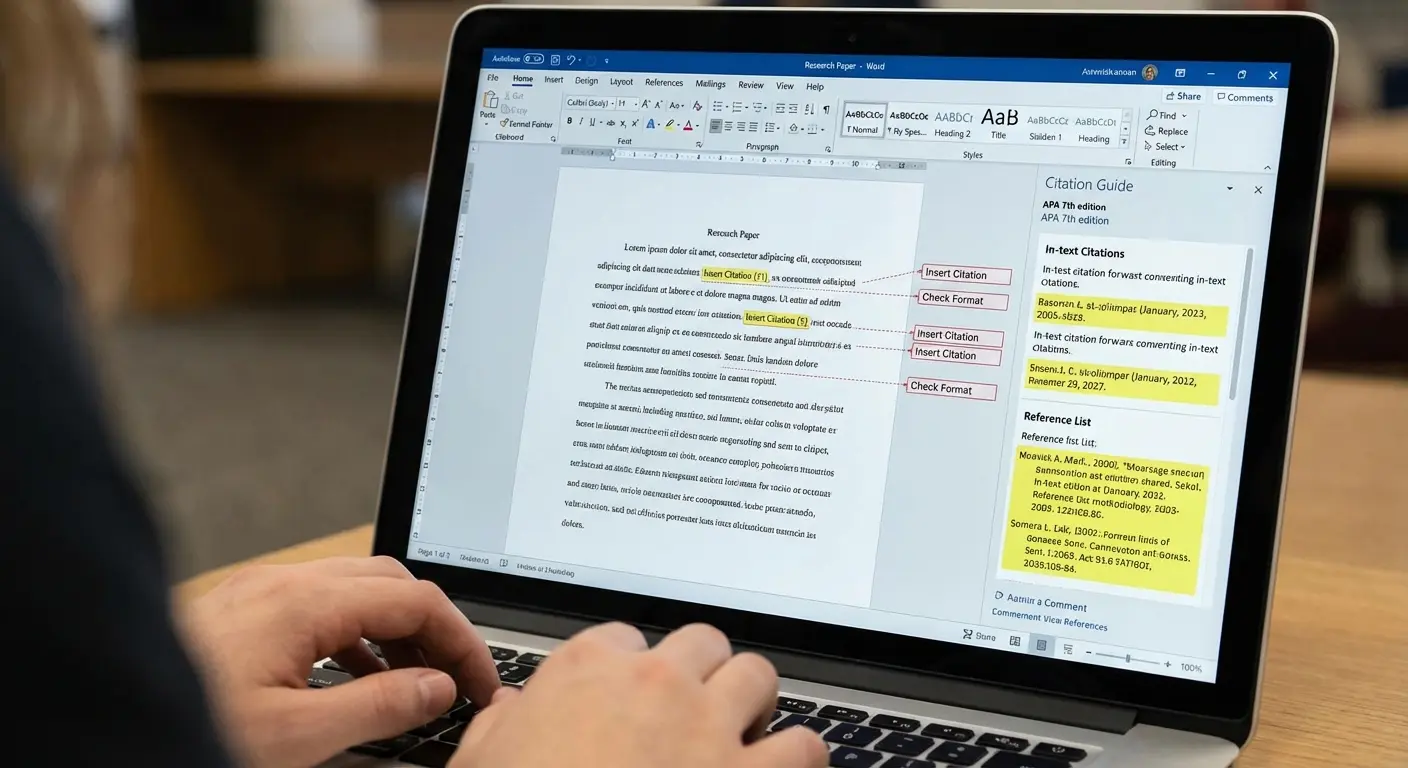
When it comes to writing tools — particularly for dissertations and theses — free and freemium options have become genuinely competitive. Rather than paying for premium AI writing or plagiarism tools, students can use platforms like Tesify, which offers a free sign-up for thesis writing with integrated AI assistance, automatic bibliography formatting in APA, MLA, Chicago, and Vancouver, and advanced plagiarism detection — no credit card required. Over 9,000 students already use it to complete their thesis work faster, which directly reduces the time (and money) spent on extended project completion.
For a broader look at which free tools hold up for academic work, this guide to free writing software and AI tools for academic writing covers options that help students avoid paying for software they don’t need.
Realistic target: £25–£50/month saved on subscriptions = £150–£300 over six months.
4. Student Discounts Most People Ignore
TOTUM (formerly NUS Extra) and UNiDAYS are the entry points most students know. What they miss is the depth of the discounts available when you actually look.
Here are seven discount categories that regularly go unclaimed:
- Railcards: A 16–25 Railcard costs £30/year and saves 33% on most rail fares. If you take a single return journey to see family once a month, it pays for itself in two trips.
- Council Tax exemption: Full-time students in the UK are exempt from council tax. If you’re in a shared house with non-students, you still get a 25% discount for that person’s portion. Many students don’t claim this and overpay by £300–£600/year.
- NHS prescriptions: Free in Scotland, Wales, and Northern Ireland. In England, students under 19 in full-time education get free prescriptions. Students on certain benefits or low-income support can apply for an HC1 form for help with NHS costs.
- Bank account perks: Several UK banks offer student accounts with interest-free overdrafts of £1,000–£3,000. Santander’s student account comes with a free 4-year railcard. Barclays and HSBC offer their own versions. The interest-free overdraft isn’t spending money — but used strategically as a buffer, it prevents expensive emergency credit card use.
- Broadband and phone plans: Student-specific SIM deals (Virgin, SMARTY, iD Mobile) regularly undercut standard contracts by 30–50%. If you’re on a standard 24-month phone contract, check whether you can switch early.
- Software licences: Adobe Creative Cloud is £600+/year retail. Through most UK universities, it’s included or available at £20–£30/year. Microsoft 365 is free through most institutions via Azure Dev Tools for Teaching.
- Entertainment and fitness: Gym memberships via student union facilities average £10–£15/month versus £35–£50/month at commercial chains. Cinema tickets through ODEON, Vue, and Cineworld all offer student pricing — typically £6–£8 versus £12–£16.
Realistic target: £40–£80/month in discount savings = £240–£480 over six months.
5. Grants, Scholarships, and Bursaries You Haven’t Claimed
This is the most underused category in student finance UK — and potentially the most impactful. Unlike loans, grants and bursaries don’t need repaying. Yet UCAS data consistently shows that a significant proportion of eligible students never apply for institutional bursaries because they assume they won’t qualify, or they simply don’t know the funding exists.
What most people miss is that scholarships aren’t only competitive academic awards. Many are need-based, subject-specific, or tied to your background — and they have far lower application rates than you’d expect.
Start with your own university. Most UK universities have access funds, departmental bursaries, and hardship funds administered directly by student services. The amounts vary from £200 to £3,000+. Requirements are usually a short application and evidence of financial need.
Use the Turn2us Grants Search. The Turn2us Grants Search tool is free and searches over 1,500 charitable funds by your specific circumstances — subject, postcode, family background, disability status, and more. Most students who use it find at least two or three funds they’re eligible for.
Check professional body scholarships. If you’re studying law, medicine, engineering, nursing, or any regulated profession, the relevant professional body almost certainly has scholarship or bursary programmes. The Law Society, BMA, Engineering UK, and dozens of others fund students annually — often with minimal competition because awareness is low.
If you’re working on a longer research project or thesis, finishing faster is one of the most overlooked cost-saving strategies. Every additional semester costs money — in tuition, living expenses, and delayed earnings. Tools that help you work more efficiently, like AI writing tools designed for dissertations, or strategies covered in this guide on timely dissertation completion, can translate directly into financial savings by keeping your end date on track.
For US students studying abroad or seeking international scholarships, Federal Student Aid’s scholarship tips and the Fastweb scholarship database are worth bookmarking alongside UK-specific resources.
Realistic target: £200–£500 in one-time grants and bursaries over six months.
Your 6-Month Cost-Cutting Checklist
Here’s where everything above comes together into a single actionable framework. Work through this list progressively — don’t try to do everything at once.
Month 1: Audit and baseline
- Pull three months of bank statements and categorise every transaction
- Cancel all unused subscriptions (target: done within 48 hours)
- Apply for student council tax exemption if not already done
- Check university access fund eligibility and submit an application
- Sign up for TOTUM and UNiDAYS if not already active
Month 2: Housing and food
- Compare your rent against current local listings — know your number
- If in private renting, email your landlord requesting a rent freeze or reduction
- Switch grocery shopping to Aldi or Lidl for one full month
- Set a £25/week food budget and track against it in a simple spreadsheet
- Pack lunch at least three days a week
Month 3: Discounts and software
- Buy a 16–25 Railcard if you travel by train even occasionally
- Check IT department for free Microsoft 365 and Adobe access
- Switch phone/SIM to a student-specific deal
- Switch to free or university-licensed versions of academic tools
- Review streaming subscriptions — keep one, cancel or rotate the rest
Month 4–5: Scholarships and grants
- Complete the Turn2us Grants Search for your specific profile
- Research professional body scholarships relevant to your degree
- Submit at least two bursary or grant applications
- Check if your student union has emergency or hardship support
Month 6: Review and recalibrate
- Compare your Month 6 spending to Month 1 baseline
- Calculate total saved across all categories
- Identify which habits stuck and which need adjustment
- Set targets for the next six months based on real data
Tackling student finance UK strategically — across housing, food, subscriptions, discounts, and grants — is how £3,000 in real savings becomes achievable within a single academic term.
Writing a Dissertation? Time Is Money.
Every extra week on your thesis is an extra week of living costs. Over 9,000 students use Tesify to finish their thesis twice as fast — with AI-assisted writing, automatic bibliography formatting, and plagiarism detection built in. Free sign-up, no credit card required.
Frequently Asked Questions
How much does the average UK student spend per month in 2024?
The average UK student living away from home spends between £1,000 and £1,200 per month, depending on their city. London students typically spend £1,400–£1,800/month. The standard maintenance loan falls short of these figures by £200–£500/month for most students outside London, making supplementary income or savings strategies essential.
Can I apply for student finance if I’m a postgraduate student?
Yes. Postgraduate students in England can apply for a Postgraduate Master’s Loan of up to £12,471 (2024–25) or a Doctoral Loan of up to £28,673 through Student Finance England. These are loan-based, not grants, so additional bursary and scholarship searching is especially important at postgraduate level.
Are there grants available for UK students that don’t need to be repaid?
Yes — and they’re underused. University hardship funds, departmental bursaries, disabled students’ allowances (DSA), care leavers’ bursaries, and charitable grants through the Turn2us network are all non-repayable. Eligibility varies, but the Turn2us Grants Search tool is the most efficient way to find funds matched to your specific circumstances.
Is it possible to save money on academic tools without compromising research quality?
Yes. Most UK universities provide free access to major research databases (JSTOR, ProQuest, Scopus), and platforms like Tesify offer free-tier thesis writing with built-in plagiarism detection against millions of scholarly sources. The key is knowing what your university already licenses before paying for anything privately — many students pay £100–£300/year for tools their library already provides at no cost.
How does finishing my dissertation faster save money?
Every additional semester in study adds tuition fees, living costs, and delays your earning start date. At UK postgraduate tuition rates of £8,000–£12,000/year, an extra three months adds £2,000–£3,000 in direct costs alone. Using efficient writing strategies and AI tools that reduce drafting time can keep your completion date on track — and your total costs significantly lower.
What is the best free resource for comparing student finance options in the UK?
The official GOV.UK student finance pages are the most authoritative starting point. UCAS’s student finance and support section is more accessible for first-timers. The Student Finance England YouTube channel (SFEFILM) produces clear explainer videos that break down the application process step by step.
Last updated: 2025. Statistics sourced from the IFS Annual Report on Education Spending in England 2024–25, Student Finance England, and UCAS. Individual savings will vary depending on location, course type, and personal circumstances.
Write your thesis with AI
Structure, draft, cite, and format your thesis faster with Tesify’s AI writing tools, automatic bibliography, and plagiarism checker. Free to start, no credit card required.






Leave a Reply