
Dissertation Writing Not Working? Here Is the Real Fix in 7 Steps
Dissertation writing has a way of making capable, intelligent students feel completely stuck. You sit down, open your laptop, and nothing comes out — or worse, everything you write feels wrong. Your supervisor’s last email sits unopened because you’re not ready for the feedback. Sound familiar?
Here’s the uncomfortable truth: most dissertation problems aren’t about intelligence or research ability. They’re about process. Students at Oxford, Harvard, UCL, and MIT don’t succeed because they’re smarter — they succeed because they follow a structure that works. And if your dissertation isn’t working right now, the fix is almost always in the process.
This guide breaks that process into 7 clear, actionable steps. Whether you’re an undergraduate frozen at the introduction, a master’s student drowning in literature, or a PhD candidate questioning everything — there’s a specific fix here for you.
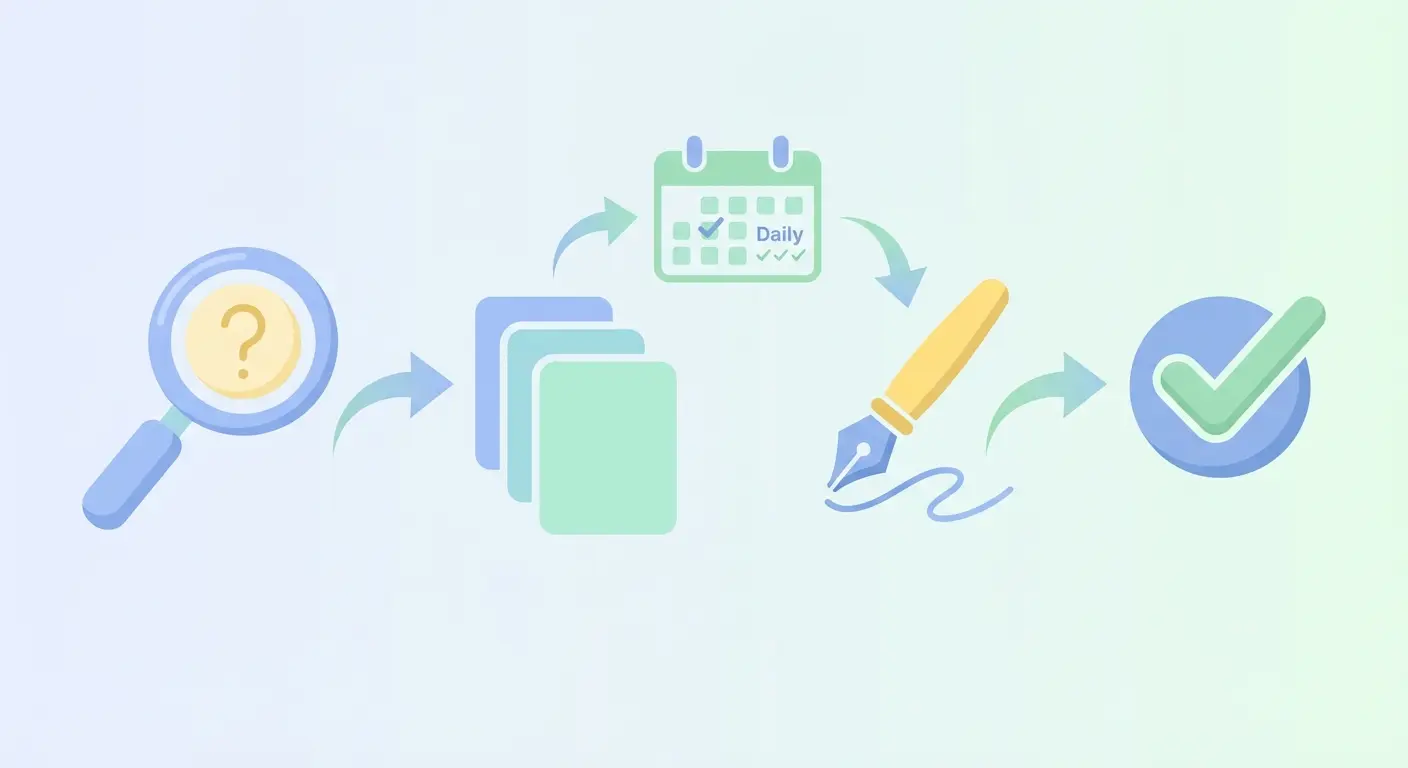
Most dissertation writing problems come down to three root causes: an unclear or over-broad research question, no structured writing routine, and attempting to write and edit simultaneously. The fix involves resetting your research question, breaking your dissertation into manageable daily writing units, and separating drafting from revision. The 7 steps below show you exactly how to do that.
Why Dissertation Writing Fails (And It’s Not What You Think)
Before jumping to solutions, it’s worth being honest about what’s actually going wrong. A Nature survey of over 6,000 PhD students found that 36% sought help for anxiety and depression related to their research — and that figure is almost certainly an undercount given the stigma involved. If you’re struggling, you are not alone, and you are not failing.
What most students believe is the problem — laziness, lack of passion, not being “smart enough” — is almost never the actual problem. The real culprits are almost always structural:
- A research question that’s too vague or too broad to answer within the word limit
- No clear chapter-by-chapter outline to guide daily work
- Trying to write perfect sentences instead of rough drafts
- Avoiding the supervisor out of shame, which compounds the problem
- Reading endlessly without writing — a form of productive procrastination
The good news? Every one of those is fixable. Here’s where it gets interesting: fixing even one of these tends to unlock momentum across all the others. The 7 steps below are sequenced deliberately — each one builds on the last.
Step 1 — Rescue Your Research Question
A weak research question is the single biggest reason dissertation writing stalls. If your question is fuzzy, every chapter becomes a guessing game — you don’t know what to include, what to cut, or where you’re going. No amount of writing skill fixes a broken compass.
What Makes a Research Question Work
A strong dissertation research question has four qualities: it’s specific, arguable, answerable within your scope, and significant to your field. Vague questions like “What is the impact of social media on mental health?” have fuelled thousands of mediocre dissertations. Specific questions like “How does Instagram usage frequency correlate with body image dissatisfaction among UK women aged 18–24?” give your chapters something concrete to build toward.
The 3-Question Stress Test
Ask yourself these three questions about your current research question:
- Could I answer this question in one sentence? If yes — it’s probably too simple. If you can’t even attempt a one-sentence answer — it’s probably too broad.
- Would a reasonable academic disagree with my answer? If there’s nothing to argue, there’s nothing to write.
- Can I answer this within my word count and timeframe? A PhD question is not an undergraduate question. Scope must match resources.
What most people miss here is that refining your research question isn’t a sign of failure — it’s a sign of academic maturity. Supervisors at Cambridge and Stanford openly expect students to revise their question two or three times before it’s right.
Step 2 — Build a Chapter Structure That Actually Holds
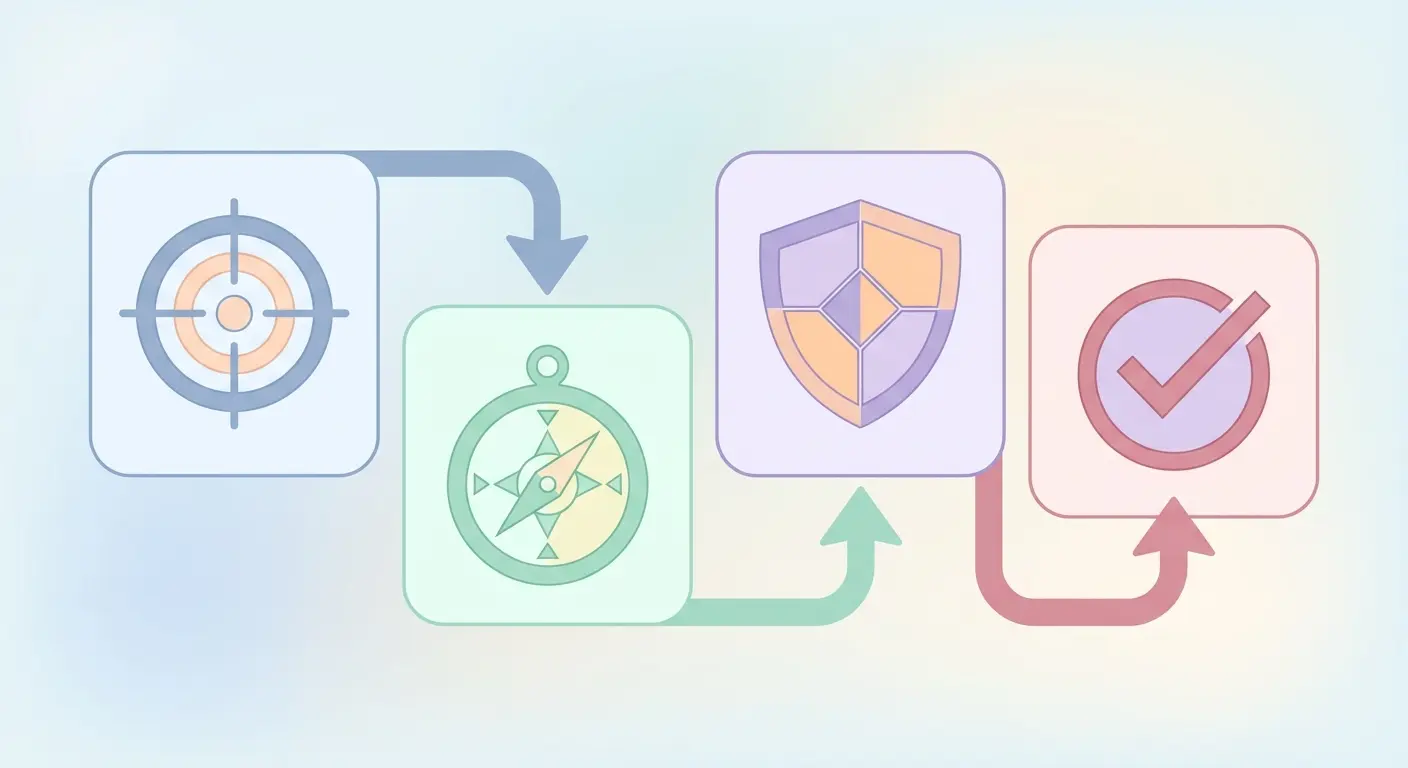
Knowing what you’re arguing is one thing. Knowing how your chapters will deliver that argument is another — and this is where most students lose weeks of time wandering between sections without a map.
The Standard Dissertation Structure (and When to Break It)
| Chapter | Core Purpose | Typical Word Count (15,000-word dissertation) |
|---|---|---|
| Introduction | Context, research question, rationale, overview | 1,500–2,000 words |
| Literature Review | Map existing scholarship, identify your gap | 3,000–4,000 words |
| Methodology | Justify your research design and methods | 2,000–3,000 words |
| Findings / Results | Present data without interpretation | 2,000–3,000 words |
| Discussion / Analysis | Interpret findings, connect to literature | 3,000–4,000 words |
| Conclusion | Answer the research question, implications, limitations | 1,000–1,500 words |
These proportions aren’t arbitrary. They reflect what examiners expect to find and when. Deviating from them isn’t wrong — humanities dissertations at Oxford, for instance, often merge findings and discussion — but any deviation should be intentional and mentioned in your methodology.
How to Turn Your Outline Into a Real Writing Plan
An outline with just chapter headings is not enough. For each chapter, write a single paragraph that answers: What question does this chapter answer, and what is the answer? If you can’t write that paragraph, the chapter isn’t ready to be written yet.
For deeper guidance on structuring your chapters with a planning framework — particularly if you’re feeling overwhelmed by the scope — planning and structuring your dissertation with intelligent tools offers a practical approach that many students find transformative for breaking through structural paralysis.
Step 3 — Fix Your Literature Review
The literature review is where most dissertations go wrong — not because students don’t read enough, but because they read too much and synthesise too little. A literature review is not a list of summaries. It’s an argument about the state of knowledge in your field.
The Difference Between Summarising and Synthesising
Summarising: “Smith (2018) found that X. Jones (2020) argued Y. Brown (2022) suggested Z.”
Synthesising: “There is broad agreement that X shapes Y (Smith, 2018; Jones, 2020), though Brown’s (2022) work complicates this by showing that Z moderates the relationship under specific conditions — a finding this dissertation builds on.”
See the difference? Synthesis connects ideas to each other and to your argument. That’s what earns marks. That’s what makes your dissertation writing feel purposeful rather than mechanical.
The Thematic Approach (Recommended Over Chronological)
Organise your literature review by themes or debates, not by author or year. Identify two or three major conversations happening in your field and structure each section around one of those conversations. Your final section should name the gap your dissertation addresses — the question that conversation hasn’t yet answered.
Step 4 — Create a Daily Writing System That Sticks
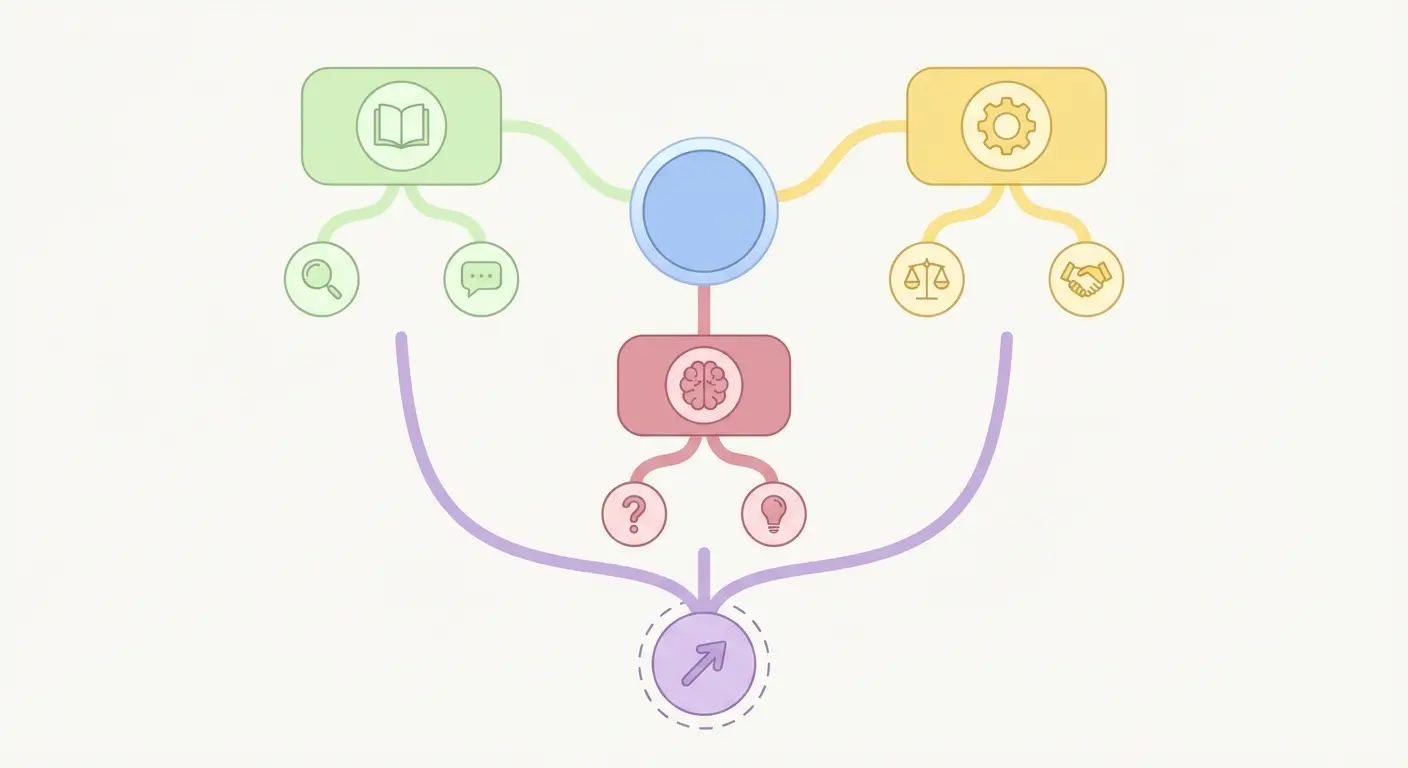
Motivation is unreliable. Systems are not. Every successful dissertation writer — from an undergraduate at UCL to a PhD candidate at MIT — eventually stops waiting to feel inspired and starts writing on schedule instead.
The 90-Minute Writing Block Method
Research on academic writing productivity, including work by Paul Silvia at the University of North Carolina, consistently shows that writers who schedule short, daily writing sessions produce more and better work than those who wait for long, uninterrupted blocks.
The structure that works:
- Set a daily writing appointment — same time, same place, non-negotiable. Treat it like a seminar you can’t miss.
- Write for 90 minutes maximum — cognitive writing quality drops sharply after 90 minutes of real effort.
- Set a word count floor, not a ceiling — aim for a minimum of 300 words, not a maximum. Some days you’ll write 800. Some days you’ll barely hit 300. Both count.
- Track your sessions — a simple spreadsheet showing date, words written, and section worked on creates accountability and reveals your patterns.
Fair warning: the first week of this system feels painfully slow. But by week three, most students report that starting to write becomes automatic — the resistance fades because the habit is established.
What to Do When You Genuinely Can’t Write
Some days, writing feels genuinely impossible. On those days, don’t skip the session — but change what you do in it. Spend the 90 minutes organising references in Zotero, annotating a key article, or updating your chapter outline. This keeps the momentum alive without forcing bad prose when your brain isn’t cooperating.
Step 5 — Stop Editing While You Draft
This is the single most common reason dissertation writing grinds to a halt. You write a sentence, immediately decide it’s terrible, rewrite it, decide that version is worse, delete everything, and end the session with a blank page. Sound familiar?
The act of editing activates a completely different cognitive mode than drafting. Editing is critical and evaluative. Drafting is generative and exploratory. Running both simultaneously is like trying to drive with the handbrake on.
The Two-Pass Drafting Method
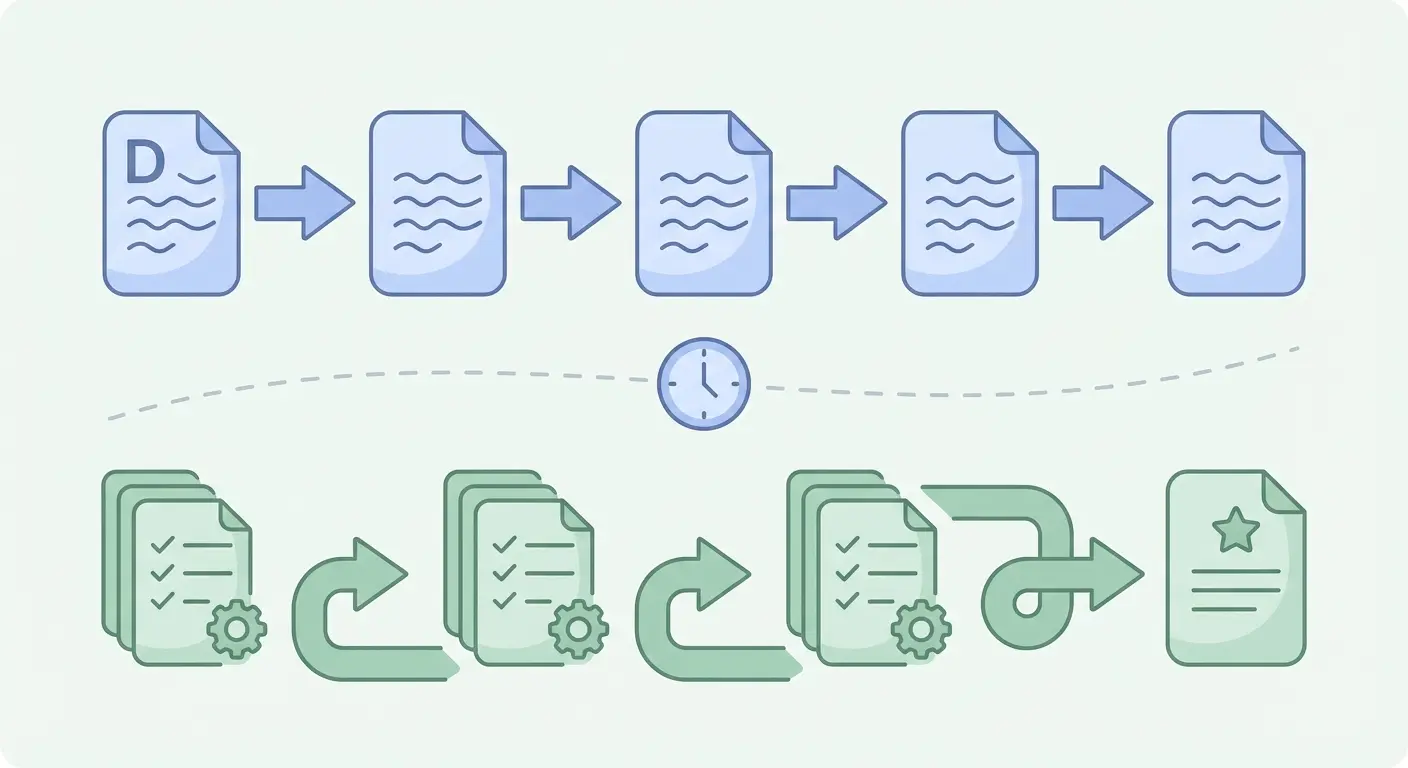
Write your first draft with one explicit rule: no backwards movement. If a sentence is weak, leave a note like [IMPROVE THIS] and move forward. If you can’t remember a citation, write [CHECK REF] and keep going. Your only job in a first draft is to get ideas onto the page in roughly the right order.
The second pass — revision — happens at least 24 hours later, ideally after you’ve finished a full section or chapter. You’ll be amazed how much “terrible” first-draft writing turns out to be salvageable, and how much clearer the structural problems are when you see the whole thing at once.
Step 6 — Reset Your Supervisor Relationship
Supervisors are not mind-readers, and they’re not enemies. But a broken supervisor relationship — whether through miscommunication, avoidance, or mismatched expectations — is one of the most destructive forces in dissertation writing. And it’s usually fixable with one honest conversation.
The Most Common Supervisor Problems (and Their Fixes)
| Problem | What’s Actually Happening | The Fix |
|---|---|---|
| Supervisor gives vague feedback | They expect you to ask specific questions | Send written questions before every meeting |
| You’re avoiding meetings out of shame | Shame compounds the problem exponentially | Email with honest update: “I’ve been stuck and here’s why” |
| Conflicting feedback across meetings | No written record of agreements | Send a brief summary email after every meeting |
| Supervisor seems disengaged | They often respond to prepared, proactive students | Come with a one-page progress update every meeting |
What most students miss is that supervisors at every institution — from Imperial to Harvard — respond far better to students who are transparent about being stuck than to students who go silent. Silence reads as disengagement. Honesty reads as professionalism.
If your dissertation isn’t working because your research proposal needs strengthening before your next supervision, this detailed guide on writing a strong research proposal for a dissertation or thesis from Grad Coach is one of the most practical resources available for getting that conversation back on track.
Step 7 — Sharpen Your Originality and Academic Argument
This step is where good dissertations become great ones — and it’s also the step most students skip because it feels abstract. But if your supervisor keeps telling you the work “lacks argument” or “doesn’t demonstrate original contribution,” this is the step that fixes it.
What Originality Actually Means at Each Level
Here’s a counterintuitive truth: originality at undergraduate level doesn’t mean discovering something new to the world. It means applying existing frameworks to a new case, combining arguments in a novel way, or challenging a prevailing view with evidence. At master’s level, originality starts to mean genuine contribution — even if small. At PhD level, it means adding something substantive to the scholarly record.
Most students aim too high (trying to revolutionise a field) or too low (merely describing what already exists). The sweet spot is demonstrating that you understand the conversation in your field and have something specific and defensible to add to it.
The “So What?” Test
After every major claim in your dissertation, ask: so what? Why does this matter? Who cares, and why should they? If you can answer “so what?” with a clear, specific statement, your argument is working. If the answer is vague — that’s your rewriting target.
For PhD students particularly, understanding how to demonstrate and defend original contribution is a skill in its own right. The evidence-based strategies in this resource on proving originality in doctoral dissertations are directly applicable to sharpening your academic argument at this stage.
Tools That Support Better Dissertation Writing
The right tools don’t write your dissertation for you — but they reduce friction enough that you can spend your cognitive energy on thinking rather than formatting, referencing, and organising.
Essential Tools by Task
| Task | Recommended Tool | Why It Helps |
|---|---|---|
| Reference management | Zotero (free) or Mendeley | Saves hours of manual citation formatting |
| Thesis formatting (STEM/LaTeX) | Overleaf thesis templates | Professional formatting without fighting Word |
| Writing structure & planning | Scrivener or Notion | Visualise your chapter architecture |
| Grammar & style | Grammarly Academic or ProWritingAid | Catches errors before supervisor reads it |
| AI writing assistance (ethical) | Tesify | Structured support for academic drafting and research |
On the topic of AI tools specifically: they’re increasingly part of the dissertation writing landscape, and using them ethically — for brainstorming, structural feedback, and drafting assistance — can genuinely accelerate your progress. For doctoral students who want a grounded overview of how AI writing assistants fit into serious research work, this guide on AI writing assistants for doctoral researchers covers the practical and ethical dimensions clearly.
The Purdue OWL thesis and dissertation overview remains one of the most reliably accurate free resources for understanding structural and formatting conventions — especially useful if you’re in the US system.
The Harvard Writing Toolkit — A Hidden Gem
For students at any institution, the Harvard Library Writing and Revision Toolkit offers evidence-based guidance on revision strategies that most students never encounter. It’s free, it’s authoritative, and it addresses the specific challenges of academic long-form writing in a way that generic writing advice doesn’t.
The Dissertation Writing Recovery Checklist
Before you move on, run through this diagnostic. If you can check every box, your dissertation writing is on solid footing. If any are unchecked, that’s your next priority.
- ☐ My research question passes the 3-question stress test (specific, arguable, answerable, significant)
- ☐ I have a chapter-by-chapter outline with a purpose statement for each chapter
- ☐ My literature review is organised thematically, not chronologically
- ☐ I have a daily writing appointment (same time, same place, 300-word minimum)
- ☐ I’m using the two-pass method — drafting and editing as separate activities
- ☐ I’ve had an honest, recent conversation with my supervisor about my progress
- ☐ I can write a clear 100-word contribution statement for my dissertation
Frequently Asked Questions About Dissertation Writing
How long does it take to write a dissertation?
The timeline varies by level: undergraduate dissertations (10,000–15,000 words) typically take 3–6 months, master’s dissertations (15,000–30,000 words) take 6–12 months, and PhD theses (80,000+ words) usually span 3–4 years. The active writing phase — once research is complete — often takes 3–6 months for master’s students writing consistently. Daily writing sessions of 300–500 words consistently outperform infrequent marathon sessions for total output and quality.
What are the most common reasons a dissertation fails?
The most common failure points in dissertation writing are: a poorly defined research question that’s too broad or vague, a literature review that summarises rather than synthesises, a methodology that doesn’t match the research question, and conclusions that don’t directly answer the stated question. Examiners at most UK and US universities are also particularly attentive to whether the student demonstrates genuine original contribution — even at undergraduate level.
How do I start writing my dissertation when I feel completely stuck?
Start with the section you know best — not necessarily the introduction. Most successful dissertation writers write their methodology or literature review first, then return to the introduction once they understand what the dissertation actually argues. Set a 25-minute timer and write anything related to your topic without stopping. The goal is momentum, not quality. First drafts are meant to be rough.
Can I use AI tools for dissertation writing?
AI tools can be used ethically for dissertation writing in several ways: brainstorming research angles, getting feedback on structure and clarity, checking grammar and style, and organising notes. What they cannot do is conduct original research, replace your academic judgment, or be presented as your own writing without disclosure. Most UK and US universities are developing specific AI use policies — always check your institution’s current guidelines before using any AI tool in your dissertation process.
How do I know if my dissertation research question is good enough?
A strong dissertation research question should be specific enough to answer within your word count, significant enough that the answer matters to your field, and arguable enough that a reasonable academic could disagree with your conclusion. Run the 3-question stress test in Step 1 of this guide, then test it on your supervisor before committing. Most supervisors at research universities expect the question to evolve two or three times — that’s normal, not a setback.
How do I write a dissertation introduction?
A dissertation introduction should establish the research context, state the research question clearly, explain why it matters (the rationale), identify the gap in existing literature your work addresses, and outline the structure of the chapters that follow. Most experienced dissertation writers recommend writing the introduction last — or at least rewriting it once the rest of the dissertation is complete — because you can only introduce what you’ve actually written.
Final Thoughts: Dissertation Writing Is a Skill, Not a Gift
The most important thing to understand about dissertation writing is that no one — not the student at Oxford with the first-class degree, not the PhD candidate at MIT with the glowing reference letters — finds it easy. What separates the students who finish from those who don’t is almost never talent. It’s the decision to treat writing as a practice rather than a performance.
These 7 steps won’t eliminate the difficulty. But they will give you a process to follow when the difficulty hits — and it will hit. A clearer research question, a structured outline, a daily writing habit, an honest supervisor relationship, and a sharp academic argument are the building blocks that every strong dissertation rests on.
Start with the step that feels most urgent. Fix one thing. Then fix the next. Momentum compounds.
If your biggest challenge right now is structure and planning, explore how to approach planning and structuring your dissertation with intelligent tools — a practical resource for getting your chapter architecture right before you write a single word.
PhD students working on demonstrating scholarly contribution will find the five strategies covered in how top PhD students prove originality in doctoral dissertations directly applicable to strengthening both the argument and the examination defence.
For additional guidance on dissertation and thesis conventions across different academic systems, the Purdue OWL thesis and dissertation overview is a reliable, authoritative starting point — particularly for students in US programmes.





Leave a Reply